 EN
EN  PT_BR
PT_BR 
The harvest of soy The 2026/27 crop season may face increased pressure from whiteflies, favored by drought and extreme heat conditions associated with El Niño. This scenario requires attention to crop monitoring and the timing of pest control interventions. Insecticides, especially at the beginning of infestations.
The warning comes from researcher Germison Tomquelski, from the consulting firm Desafios Agro. According to him, the lack of control of Bemisia tabaci can cause losses between 10% and 70% in production, currently equivalent to about five to 30 sacks of soybeans per hectare.
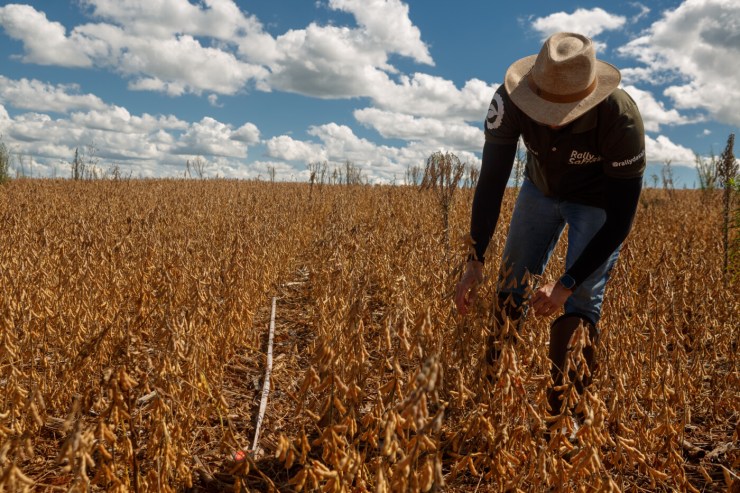
The recommendation is to monitor the presence of the pest from the early stages and carry out control measures when the first nymphs are found, in the range of two to three per leaflet. The pre-candle closure period of the crop also requires attention. “It makes a big difference for the producer to be prepared, with specific products on hand and to start treatment at the right time. Otherwise, they tend to lose a lot to the pest,” adds Tomquelski.
Whiteflies can promote the development of sooty mold, which impairs photosynthesis, and can also transmit viruses that affect plant growth, grain weight, and harvest. "This is a crucial issue for achieving efficiency and good results in controlling the pest," he indicates.
Among the control alternatives evaluated is buprofezin, an active ingredient that acts on the young forms of the insect and has an efficacy close to 80%, according to Tomquelski. The researcher emphasizes that insecticide management should follow the dynamics of the pest, without depending on the fungicide application schedule.