 EN
EN  PT_BR
PT_BR 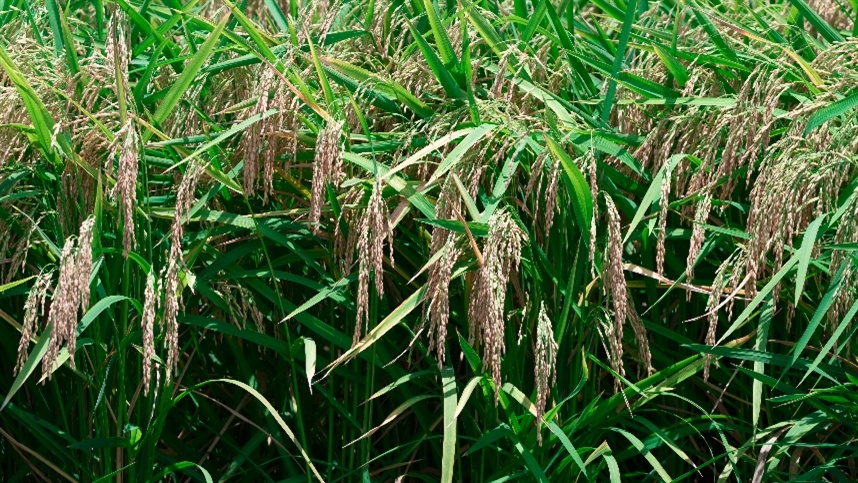
Warnings about the impact of El Niño on the next harvest season. rice These trends have gained momentum in recent weeks, with similar signals coming from different meteorological sources and research centers. This assessment comes from Sergio Cardoso, an analyst in the meteorological chain. ricewhich considers it necessary to closely monitor the repetition of these warnings and their potential effects on production in Mercosur.
Among the recent signs is the analysis by INIA Uruguay, according to which El Niño is already established, is classified as strong, and may continue to intensify in the coming months. This scenario increases the probability of above-average rainfall during the spring and early summer in Uruguay, especially in the northern region.
For rice, the risk mentioned is not necessarily linked to a lack of water. Excessive rainfall can reduce the number of days available for preparing the areas, sowing, fertilizing, managing the crops, and harvesting, shortening the work windows in the field.
Cardoso emphasizes that climate forecasts are not certain and that the presence of El Niño does not, in itself, mean a crop failure. Meteorology works with probabilities, and conditions may still change in the coming months. Therefore, the scenario should be monitored week by week, observing rainfall, the progress of prepared areas, the pace of sowing and, further ahead, sunlight and crop development.
At the same time, the analyst believes that the quantity, frequency, and convergence of the warnings should not be ignored. Even in August, there is still a long way to go, but El Niño is likely to remain among the main factors of concern in the planning of the 2026/27 rice harvest in Mercosur. For Cardoso, the moment demands monitoring the facts, without alarmism and without disregarding the available signals.