 EN
EN  PT_BR
PT_BR 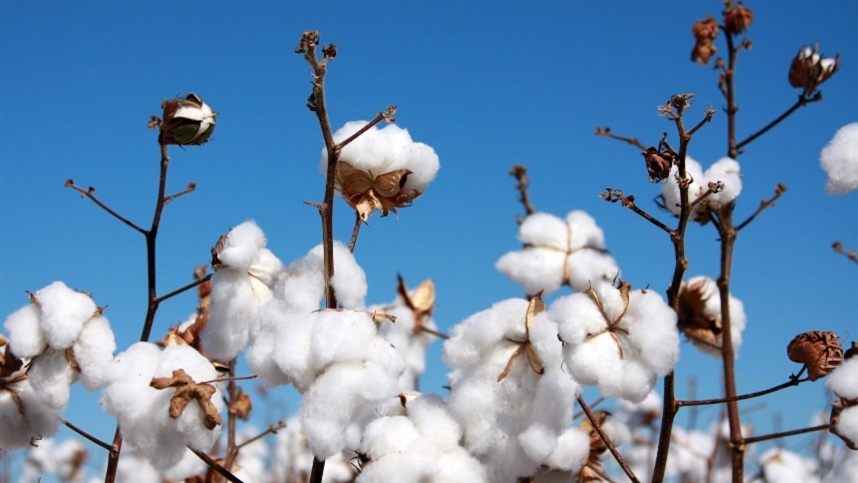
The presence of cotton Plants at different stages of maturation within the same plot require special attention at harvest time. While some plants have open bolls, others still have filling structures or green vegetative parts. Under these conditions, determining when to apply defoliants and begin mechanized operations depends on a joint assessment of the crop, the climate, and the operational capacity of the farm.
The problem can be caused by different factors. Failures in emergence and planting, variations in fertility, lack or excess of water, pest attacks, and applications of growth regulators at different times are among the causes pointed out in the material. Replanting and internal differences in soil or terrain can also result in plants with different cycles within the same area.
Before deciding on the harvest sequence, it is necessary to identify the size and distribution of the problem. Field assessment should consider the percentage of open bolls, boll filling, the presence of green vegetative structures, and differences between the various parts of the plot.
The diagnosis needs to be carried out at representative points in the crop. In this way, it is possible to identify whether the uneven ripening is concentrated in small patches, organized in large bands, or distributed in a generalized manner throughout the plot.
Anticipating or waiting involves risks.
The timing of the harvest requires a balance. When the operation is brought forward too early, bolls that are still filling can result in immature fibers that are shorter and less resistant. A greater quantity of leaves, branches, and other green parts also increases the level of impurities and can impair classification.
Waiting too long also presents risks. While the delayed plants continue their development, the cotton that has already opened remains exposed to rain, wind, and sun. This exposure can cause lodging, shattering, and staining.
The decision must also take the weather forecast into account. Given the possibility of heavy rains in the short term, the material indicates that it may be more prudent to bring forward the removal of the most mature areas, even if some of the bolls are still less developed.
Operational capacity also has a direct impact. The number of harvesters, daily machine output, distance to processing facilities, worker availability, and truck logistics all help determine which areas can be prioritized.
Defoliants require area-specific management.
Defoliants play an important role in preparing crops for mechanized harvesting. They promote leaf fall and help reduce impurities. However, in an uneven field, a single strategy for the entire area may not account for differences in maturity.
When the crop allows for this division, the recommendation is to separate more homogeneous strips or blocks. Mature areas can receive the application first, while the delayed parts remain in the field for longer.
The timing of application is one of the most important considerations. Applying it too early to plants that are still filling bolls can affect this process and reduce productivity. Temperature, humidity, and the absence of rain soon after application are also factors that need to be observed.
The material does not specify products, dosages, or intervals. The recommendation is that the use of defoliants, growth regulators, and other inputs should follow the label, package insert, current legislation, agronomic prescription, and be monitored by a qualified professional.
The type of non-uniformity changes the strategy.
When the difference in ripeness occurs only in small patches, such as wetter lowlands, field edges, or more fertile areas, management may involve changes in the speed and working height of the harvester.
In extreme cases, the material suggests that the possibility of leaving small strips for a second pass can be evaluated. The economic viability of not harvesting very late-maturing and unproductive areas can also be analyzed.
When the difference is organized into larger blocks, each strip can be treated as a subplot. This allows for defoliation to be applied on different dates and the earliest part to be harvested first. When possible, production can also be kept in separate plots.
In cases where there are no clear divisions, the decision depends on the average condition of the area. The guideline is to observe whether most of the bolls in the lower and middle regions of the plants are already open and to assess whether there is still vegetative growth or if the crop is already entering senescence, the natural aging phase of the plant.
Adjusting the combine harvester can reduce losses.
The machine also needs to adapt to changes found within the field. These adjustments include travel speed, harvesting height, platform adjustment, and parameters of the internal mechanisms.
In areas with a higher presence of green plants, partially open bolls, or taller plants, it may be necessary to reduce speed to improve operational efficiency. The height should also be adjusted to accommodate differences in plant size to avoid both the loss of lower bolls and excessive uprooting of plants.
Internal adjustments should follow the manufacturer's guidelines and take into account the stage of maturation and moisture content of the cotton.
On-site inspection is an important part of this process. After the adjustments, the recommendation is to visually check how many bolls remained on the plants or fell to the ground, in addition to those that were broken or not harvested. If the machine enters a part of the field with different conditions, the settings should be re-evaluated.
Harvest data helps with the next crop.
The unevenness observed at the end of the cycle can also serve as information for subsequent planning. The material highlights that some of these problems originate from decisions made before or during the development of the crop.
Among the measures presented are reviewing planting dates, correcting fertility differences, improving the uniformity of growth regulator applications, and better planning irrigation when this system is present.
Recording the areas that presented the greatest difficulty is one of the guidelines in the checklist presented in the material. This record allows you to relate the problems encountered during harvesting to the management practices adopted during the season and guide subsequent adjustments.
Therefore, for plots with uneven maturation, the main approach presented is to avoid decisions based solely on the average condition of the crop when there are clearly identifiable internal differences. Diagnosing the areas, separating strips when possible, adjusting pre-harvest management, and adapting the machinery to each situation allows for finding a balance between fiber quality, field losses, and operational capacity.