 EN
EN  PT_BR
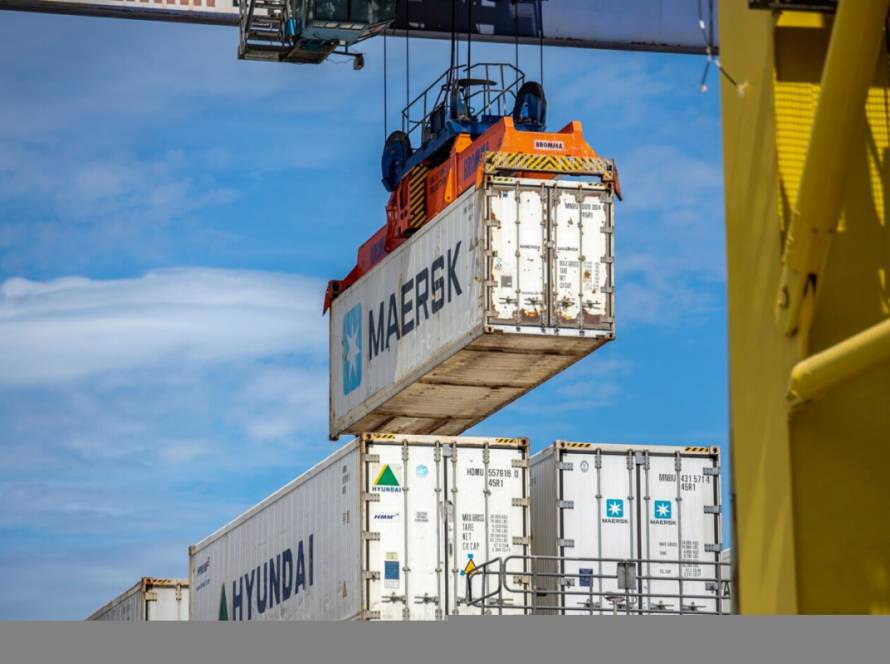
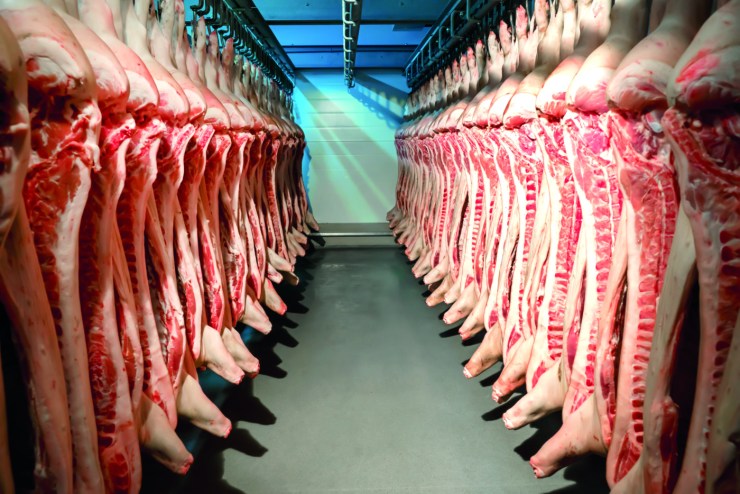
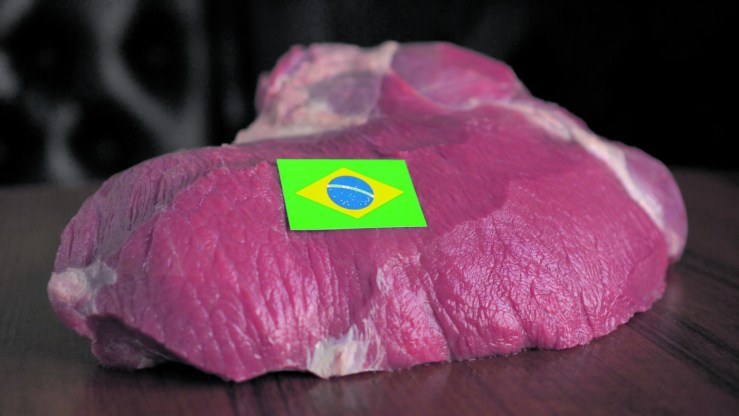
PT_BR The decision to close the Strait of Hormuz, announced last Saturday (28) amid the escalation of the conflict involving Iran, has raised an alert for Brazilian agribusiness. The measure directly affects the main route for the outflow of halal meat, a segment in which Brazil leads global production, and puts pressure on contracts and logistics flows that move more than 28,000 tons of the product monthly.
According to Frederico Favacho, a lawyer specializing in international agribusiness contracts, the scenario demands legal and operational caution. "Contracts are not immediately suspended due to force majeure or other conditions, as Brazilian exporters may have other routes, such as the Mediterranean. However, these routes are more expensive and complicated," he states.

Frederico Favacho, a lawyer specializing in international agribusiness contracts, stated: “Contracts are not immediately suspended due to force majeure or other conditions, as Brazilian exporters may have other routes, such as the Mediterranean.”
According to him, in addition to increased logistics costs, the regional environment remains unstable. “The expectation is that Brazil will have an impact not only on meat, but also on the soybeans we export to the region and on sugar. We will need to observe how events unfold in the coming days to make strategic decisions,” says Favacho.
The numbers reinforce the magnitude of the risk. According to the Arab-Brazilian Chamber of Commerce, Brazilian beef exports to Arab countries totaled US$1.79 billion in 2025, an increase of US$1.91 billion over the previous year, marking the second consecutive record for revenue from the bloc formed by the 22 nations of the League of Arab States, which encompasses North Africa and the Middle East.
The specific weight of the Iranian market is also noteworthy. “Iran is an important destination for Brazilian agricultural commodities, mainly corn, which was the product we exported most to the country in 2025, followed by soybeans and, in third place, sugar. Exports to Iran alone amount to almost US$1,500,000,” Favacho explains.
He adds that, when considering other strategic partners such as the United Arab Emirates, Saudi Arabia, and Egypt—the latter with logistics more closely linked to the Suez Canal—the combined exports of Brazilian meat, soybeans, corn, and sugar to the region reach approximately US$21 billion.
Favacho also points out that Brazil has built a differentiated position in trade with Tehran over the years. “Because we export food, we are outside of trade restrictions, which has given us an advantage in the international market. So, in fact, we may suffer some impact on export contracts, but it is important to note that this is not our largest market. The main one remains China, followed by the European Union,” he emphasizes.
The unfolding geopolitical crisis is likely to influence not only logistics, but also freight costs, insurance premiums, and contractual clauses, requiring constant monitoring by exporting companies.