 EN
EN  PT_BR
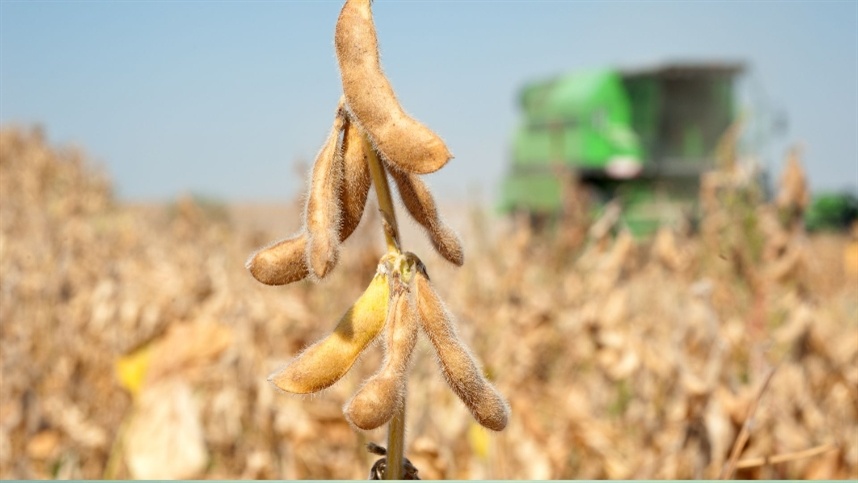
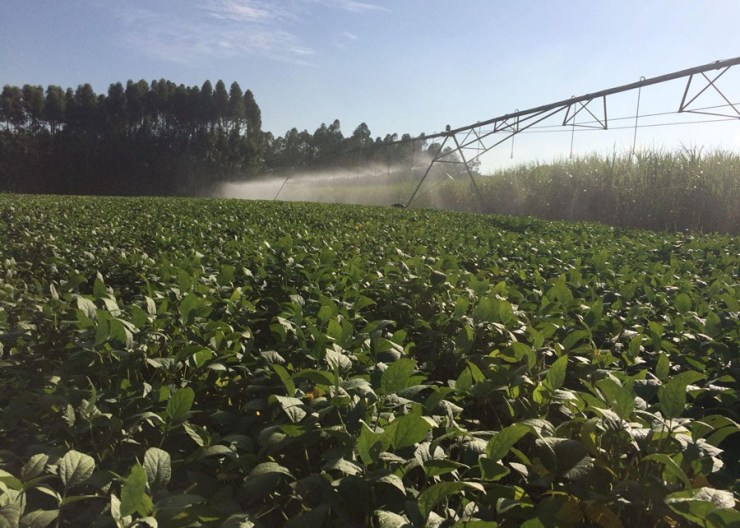
PT_BR Imagine a productivity of 126.71 sc/ha in a soybean crop, with the strategic use of biological products. That's what happened at Fazenda Santana, in Itapeva (SP).
Consultant Adriano Oliveira, champion of the Irrigated/National Category in the last National Maximum Soybean Productivity Challenge, organized by the Brazilian Soybean Strategic Committee (CESB), highlights that the use of biological products in the furrow and as topdressing for the control of nematodes and soil diseases contributed to the high productivity. "We also carried out seed treatment with fungicides, insecticides and biostimulants, and included inoculants with rhizobia and growth promoters," he adds.
Challenges in farming
 Adriano points out that one of the main challenges was dealing with climate variability, especially during the flowering and grain-filling period. “We had a dry spell at the beginning of pod formation and excessive rainfall during maturation. To overcome this, we opted for cultivars with good yield potential and stability, staggered planting within the ideal window, and used real-time monitoring technologies to anticipate management needs and protect yield potential,” he notes.
Regarding pest and disease control, the consultant indicated that he prioritized Asian soybean rust, target spot, and brown stink bug, as they are recurrent in the region. “We used protective fungicides from the V4-V5 stages and intensified management by alternating mechanisms of action. For pests, we adopted early control with scheduled applications and weekly monitoring. The use of products with physiological and residual effects helped maintain the stand and grain filling,” he recalls.
Importance of the challenge
The consultant considers the CESB Challenge a technical barometer. "It takes us out of our comfort zone and demands a level of excellence in every detail," he explains, adding: "During the cycle, we had moments of concern about the climate, but we maintained our focus based on data and well-executed technical planning. Every decision was made backed by monitoring and historical data from the area."