 EN
EN  PT_BR
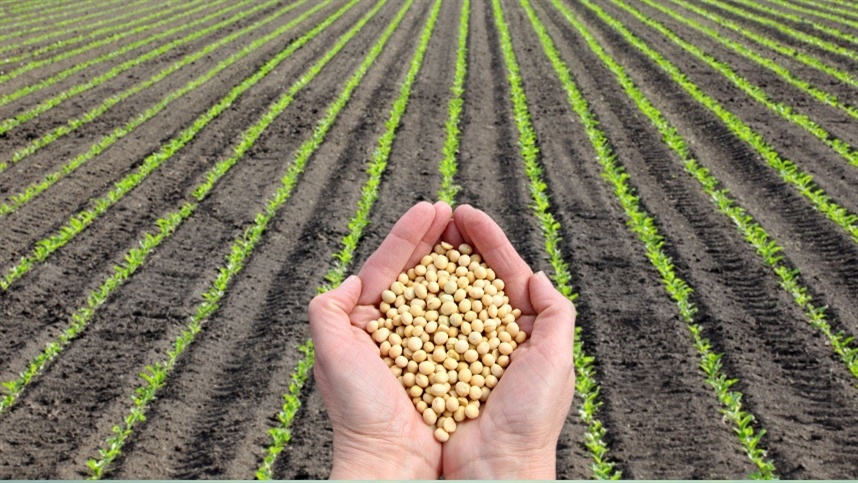
PT_BR In January, StoneX revised its estimate for the 2025/26 Brazilian soybean crop upwards, now projected at 177.6 million tons, a marginal increase of 0.2% compared to the December report. The year-on-year growth is more significant, with an increase of 5.2% compared to the previous cycle.
The only relevant change occurred in the expected productivity for Mato Grosso, which increased by 0.8%, reaching 46.9 million tons. Despite the positive revision, the state is still expected to register a decrease of 7.1% compared to the previous cycle. The weather, which was favorable in December, has shown irregular rainfall and now requires attention due to the intense heat.
Overall, the outlook remains optimistic, indicating record production. However, late-cycle areas depend on good weather conditions until mid-March. Harvesting has already begun, but is concentrated in irrigated regions, which are less affected by water stress.

Corn: harvest during the first crop and pay attention to the second crop planting window.
For summer corn, there was a reduction of 0.5% in the production estimate, now at 26 million tons. The adjustment was motivated by a 5.6% drop in expected productivity for Santa Catarina, reflecting irregular weather patterns. Even so, the state should harvest around 2.27 million tons, maintaining its relevance for domestic consumption, especially in animal feed production.
Just like with soybeans, the weather can alter the figures for the first corn crop, essential for domestic supply. The second crop (safrinha) for 25/26 remains projected at 105.8 million tons, a decrease of 5.21% compared to the previous cycle. Considering all three crops, total production should reach 134.3 million tons, practically stable compared to the previous estimate.
Supply and demand: higher soybean stocks and adjustments in corn.

Photo: Gilson Abreu/AEN Archive
On the demand side, there were no changes for soybeans, with the market attentive to the trade relationship between the US and China. With a slight increase in production and stable consumption, ending stocks for the 25/26 crop year were adjusted to 4.6 million tons.
For corn, the production cut impacted ending stocks, while demand variables remain unchanged. Of particular note is the increase in exports for the 24/25 cycle, estimated at 41 million tons by the end of January, reducing beginning stocks for the next season.