 EN
EN  PT_BR
PT_BR The Attorney General's Office (AGU) has asked the Supreme Federal Court (STF) to extend, for another 120 days, the suspension of the Mato Grosso state law that prohibits the granting of tax benefits and public land to companies that have adhered to trade agreements to limit the expansion of agriculture, as in the case of the Soy Moratorium.
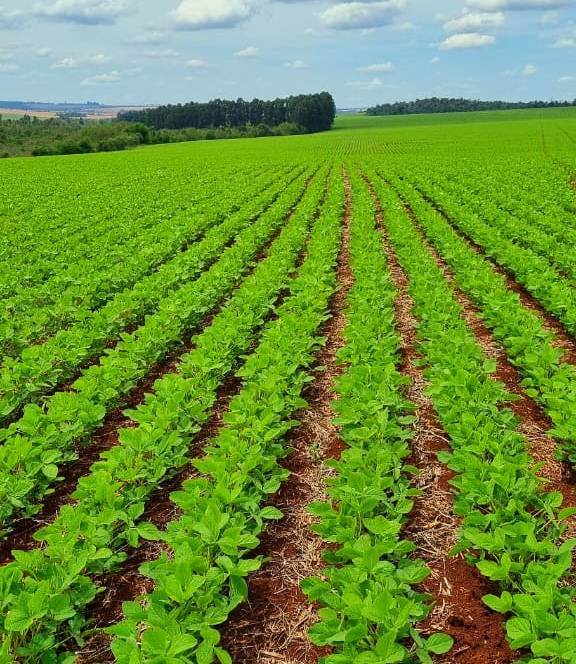
The Soy Moratorium is a voluntary agreement among companies in the sector not to purchase soy produced in areas of the Amazon deforested after July 2008. The goal is to combat the advance of deforestation for grain production in the Amazon biome.
The Attorney General's petition was presented to Minister Flávio Dino., rapporteur of the Direct Action of Unconstitutionality (ADI) 7774, last Tuesday (12/30).
The minister's decision, ratified by the full Supreme Court, determined that Law No. 12.709/2024 of the State of Mato Grosso will once again be in effect as of January 1, 2026.
In its statement, the Attorney General's Office (AGU) argues that the removal of tax incentives could lead companies in the sector to abandon the environmental agreement. According to the AGU, based on a technical note from the Ministry of the Environment and Climate Change, the dismantling of the Soy Moratorium without a parallel, adequate, and ecologically responsible institutional design to replace it could result in immediate damage to the environment and the sustainable development of soy and vegetable oil producing regions, especially in the Amazon biome.
The Attorney General's Office (AGU) also advocates for the establishment of a forum for consensual discussion between companies and the public sector before the Chamber for the Promotion of Legal Certainty in the Business Environment of the Attorney General's Office (SEJAN/AGU).The request to open the debate at Sejan was made by the Ministry of Environment and Climate Change.
"From a technical-institutional point of view, the need for public institutions to address the issue from a broad perspective was identified, not restricted to a specific agreement, but rather within a general model aimed at guiding the form and manner of participation and monitoring by the Brazilian state of voluntary private agreements that establish sustainability parameters," says an excerpt from the petition submitted to the Supreme Federal Court.