 EN
EN  PT_BR
PT_BR In the second episode of the fourth season of Mato Grosso Clima e Mercado, the Mato Grosso Soybean and Corn Producers Association (Aprosoja MT) spoke with three more producers from the Northern Region. This Wednesday (November 19th), the project visited the Vera, Sinop and Vale dos Arinos centers to understand firsthand the reality of farmers in these locations.
The coordinating delegate of the Vera district, Maicon Rech, was the first interviewee in the second episode. As in most of the regions visited, he highlighted that the lack of rain caused many producers to miss the ideal planting window for corn.
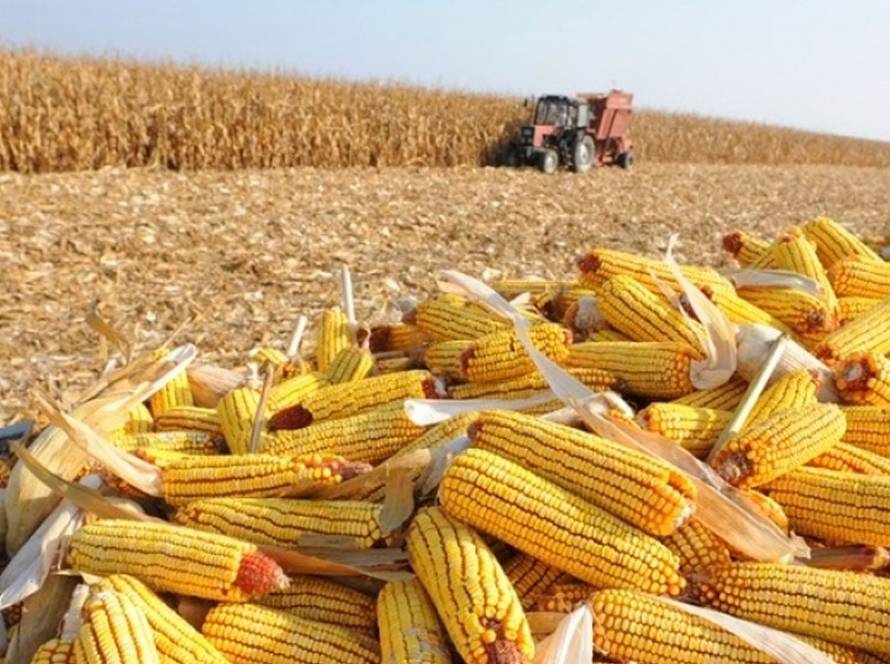
“We started planting again around the 10th, when the rains returned with a better volume of water. After that, we had some drizzle, but that somewhat compromised the planting stand and hampered the development of the last area sown, causing the producer to risk planting with low moisture, trying to secure the corn planting window,” he explains.
Rech also stated that he was concerned about the excessive rainfall that may occur later on, since there was little precipitation during planting, which increases the risk of rain during harvest and could compromise grain storage.
Unlike Maicon Rech, the delegate from the Sinop unit, Albino Galvan, had to replant 10% of the area due to lack of rain. In a conversation with the coordinating delegate of the Sinop unit, João Marcos Bustamante, Galvan explained that the delay caused him to miss the planting window for the corn crop.
“We’ve already missed the corn planting window, there’s nothing we can do. We have to opt for crop residue, since we haven’t had rain for nine days. Plan B is to give up on corn, but the problem will be renegotiating because of the purchase of fertilizer and seeds, which have already been acquired,” laments Albino Galvan.
Along with the replanting, Galvan also expressed concern about the large volume of rain predicted for December. The producer warned of the risk of intense storms in the region.
“When we have these periods without rain, the next rainfalls usually come in torrential form, with storms. We get worried because lightning can burn equipment on the property, and very strong winds can tear down sheds. The life of a farmer is not simple, it's not easy. It's an open-air shed, and every year we are taking risks,” he emphasizes.
The last region visited was the Arinos Valley, in Porto dos Gaúchos. Brothers and farmers Antoninho Livi and André Livi reported on the local challenges. Antoninho explained that he also faced problems with the lack of rain at the beginning of planting and may miss the planting window for corn in one of the plots.
“Even though it rained relatively well, the days were very hot, which somewhat compromised the condition of the plants. Since we lost eight days of the initial plan, the crop will only be ready at the end of February. This could compromise the planting of corn, as this is a long-cycle soybean variety. Those eight days make a big difference in being able to introduce corn to this area,” he states.
After surveying the three regions, the project recorded similar reports: lack of consistent rainfall at the start of planting, prolonged pauses in planting, replanting, damage to plant development, and the risk of missing the corn harvest window.
The MT Climate and Market project will also visit another 26 regional centers of Aprosoja MT to present a realistic overview of the harvest, built from the perspective of the producers themselves. By closely monitoring each region, the project reinforces the organization's commitment to listening to the field, understanding its bottlenecks, and sharing information that helps rural producers plan with greater security and clarity.