 EN
EN  PT_BR
PT_BR Brazilian animal nutrition has been expanding its presence in international trade, but transforming this expansion into consolidation requires more than just production volume. According to the Alltech Agri-Food Outlook 2025, Brazil produced 86.6 million tons of feed in 2024, maintaining its position among the top three global producers. This significant position, however, comes with technical, regulatory, and strategic challenges to compete in increasingly selective markets.

Economist José Loschi: "The secret lies in adapting the product, the process, and the business model."
With structured management, technological innovation, customized formulas, and rigorous process control, the country has been demonstrating its ability to compete globally, combining science, efficiency, and market intelligence. "The secret lies in adapting the product, the process, and the business model. That's what sustains growth and opens doors to new international partnerships," says economist José Loschi.
Next, Loschi points out the main challenges and solutions that have driven Brazilian animal nutrition companies in their pursuit of global competitiveness.
1. Structure and management: the foundation of international expansion
Entering new markets without a solid foundation of governance and processes can compromise the entire operation. Each country imposes specific rules, requiring traceability, certifications, and detailed documentation. “Exporting demands control and standardization. When management is solid, we can respond quickly to audits, adapt processes, and guarantee the importer's trust,” explains Loschi.
2. Customization as a competitive advantage
Exporting the same formula to different countries is a common mistake. Genetic, climatic, and management conditions vary widely, influencing animal nutrition performance. “When we adjust the formulation to the local metabolism and environment, we deliver greater efficiency and added value. Customization is what differentiates the Brazilian product abroad,” he emphasizes.
3. Innovation and technology integrated into the production chain
International markets value traceability, sustainability, and continuous innovation. Without technological integration, visibility and competitiveness are lost.
Investments in data, nutritional monitoring, and automation are fundamental to meeting demands and anticipating trends. "Technology connects research, formulation, and efficiency. It ensures that the Brazilian product meets global standards and maintains its cost and quality advantage," notes the economist.
4. Logistics and intelligence in the supply chain
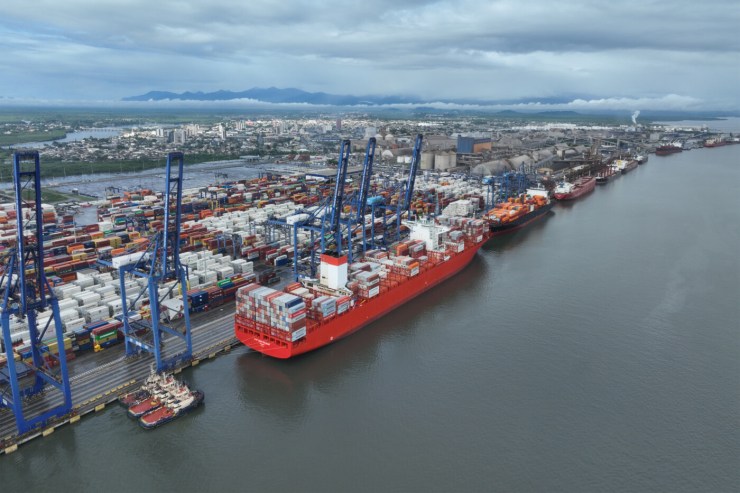
The distance between production centers, ports, and consumer markets increases costs and risks. Furthermore, poor infrastructure and exchange rate fluctuations affect predictability and margins.
Logistics planning and strategic regional partnerships help reduce costs and ensure a regular supply. “Exporting is about understanding the route, the risk, and the local dynamics. Good logistics reinforces the confidence of the international client,” Loschi points out.
5. Regulatory compliance and certifications: the passport to export.
The diversity of sanitary and environmental regulations is one of the biggest obstacles to the export of animal feed and nutritional inputs. Each country requires proof of origin, composition, and environmental impact, which are frequently updated. “Complying with the legislation is not just an obligation, it's demonstrating a commitment to quality and transparency. Compliance opens doors and consolidates Brazil's image as a reliable supplier,” emphasizes Loschi.
With business maturity and a focus on innovation, Brazilian animal nutrition shows potential to become a global benchmark, not only for the volume produced, but also for its ability to offer adapted, technological and sustainable solutions.