 EN
EN  PT_BR
PT_BR The Mato Grosso Soybean and Corn Producers Association (Aprosoja MT) values the work of those whose mission is to feed the world and preserve the environment. Producers adopt sustainable and conscious practices, such as no-till farming and crop rotation, which significantly contribute to reducing greenhouse gas emissions and help mitigate environmental impacts.
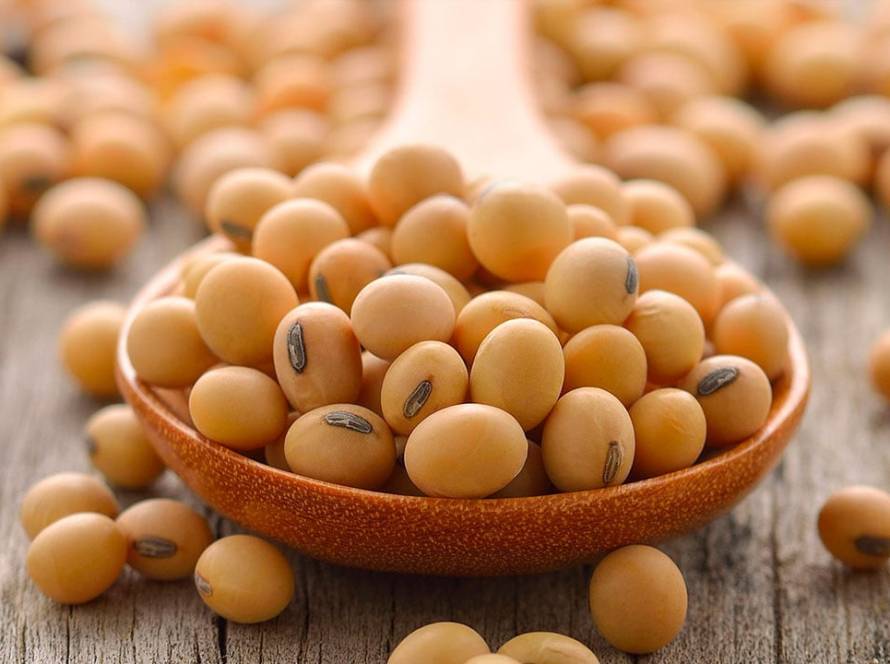
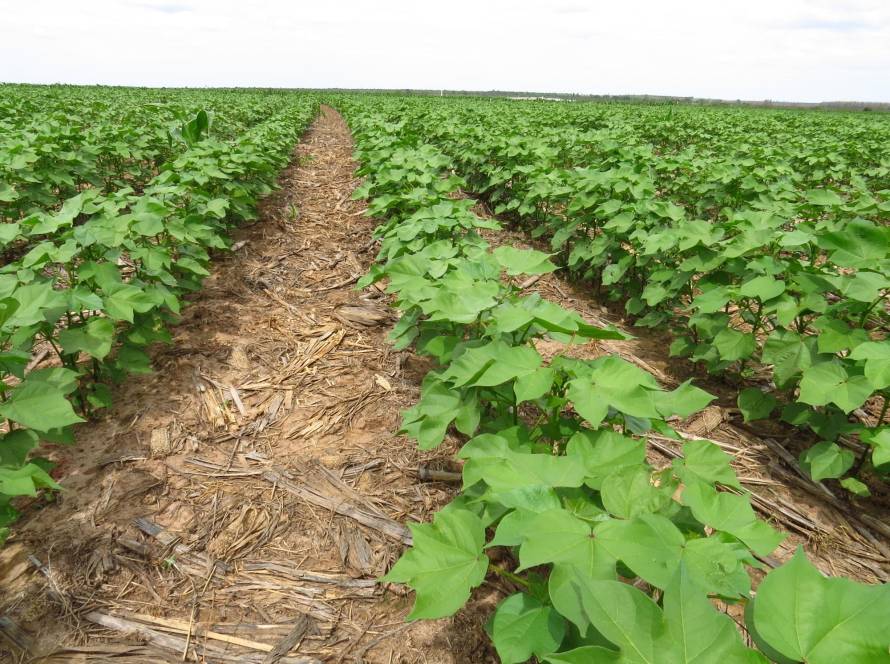
The president of Aprosoja MT, Lucas Costa Beber, estimates that this year Mato Grosso should sow approximately 13.2 million hectares of soybeans, with a second corn crop being cultivated in the same area. He highlights a recent study conducted by the Luiz de Queiroz Higher School of Agriculture (ESALQ), in partnership with Embrapa, which indicates that in areas where no-till planting of soybeans followed by corn is practiced, there is an average annual sequestration of 1.9 tons of carbon dioxide (CO₂) per hectare.
“Brazil has a unique agricultural model. Thanks to the tropical climate, we are able to have two harvests a year. Regions like western Portugal and Spain, with similar climates, could adopt this system, but they still prefer conventional farming for convenience. Brazilian producers, in turn, recognize the benefits of conservation management: carbon capture, erosion prevention, protection of water sources, and reduced siltation. Vegetation cover improves water infiltration and prevents surface runoff. Crop rotation, in addition to enabling two harvests, breaks the cycle of pests and strengthens sustainability,” explains Lucas Costa Beber.
The study also reveals that areas with more than ten years of adoption of the system have higher 30% carbon stocks than more recent areas, showing that the continuity of the practice enhances its benefits. The alternation between crops such as soybeans and corn allows for carbon capture during photosynthesis, with some of this carbon being stored in the soil by the roots.
“Our agriculture goes beyond environmental services; it is also economically efficient. The increase in organic matter in the soil improves water retention, intensifies biological activity and nutrient availability, increasing productivity and reducing the need to expand agricultural areas,” explains Lucas Costa Beber.
Marlise Paetzold Marafon, a rural producer and coordinating delegate of the Sapezal nucleus, with more than three decades dedicated to agriculture, represents a generation of producers who combine family tradition with innovation in the responsible management of the land. She adopts practices such as no-till farming and crop rotation, demonstrating that it is possible to produce food on a large scale while preserving the soil, water resources, and environmental balance.
“We need to take good care of the soil by rotating crops. Productivity depends on it. And, although it's not widely publicized, it's already known that soybean and corn production sequesters more carbon than the forest. Therefore, it's essential to practice no-till farming and avoid tilling the soil. Rural producers, especially in Mato Grosso, are important environmental preservers, despite the negative image they often receive,” the producer emphasizes.
Direct planting, widely adopted by producers, maintains vegetation cover, helps store carbon, reduces erosion, and prevents soil loss. In addition, it lowers operational costs, improves seeding yield, and extends the planting window.
Marlise highlights the benefits of the practice: “During droughts, the soil remains covered, allowing microorganisms to survive longer. We also save fuel, as it is not necessary to use machinery to till the soil, preventing the rain from washing away the organic matter. I am very proud to be a rural producer. We feed the world and preserve the environment; that's fantastic.”
Aprosoja MT emphasizes that environmental preservation depends not only on global policies, but also on the direct action of producers, who invest in innovation, responsible management and sustainable practices, protecting their crops and contributing to the future of the planet.