 EN
EN  PT_BR
PT_BR According to Ana Luiza Lodi, Market Intelligence specialist at StoneX, a global financial services company, the end of 2025 is shaping up to be a record harvest and export year for Brazil. The last quarter of the year will be decisive, marked by geopolitical uncertainties, weather in South America, and political decisions that could shape the course of the global soybean market.
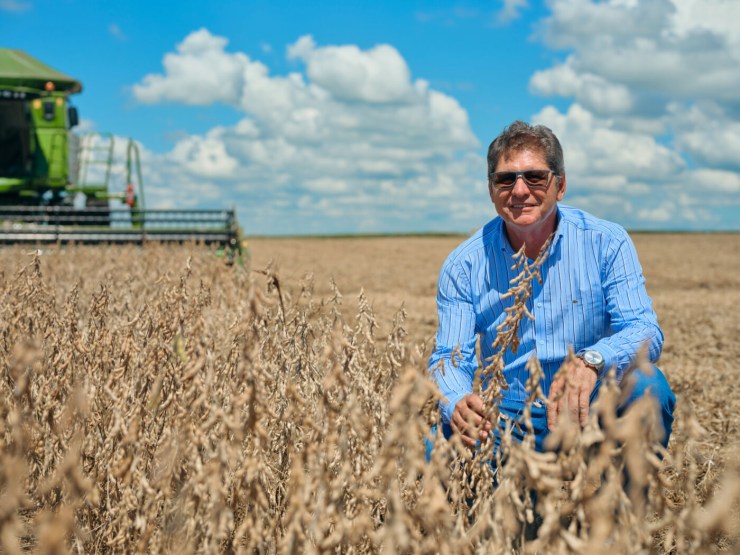
In his analysis in Quarterly Commodity Outlook ReportAna highlights that, in Brazil, the projected production is 178.7 million tons in the 2025/26 cycle, driven by growth in planted area to 48.3 million hectares and recovery in productivity in Rio Grande do Sul, which alternates with Paraná as the second largest national producer. “Planting is more advanced than last year, with the return of rains being closely monitored. Any initial delays do not necessarily represent losses for soybeans, but they may affect second-crop crops, such as corn and cotton,” she pointed out.

Photo: Daiane Mendonça
Brazilian exports remain strong and are expected to reach a record 107 million tons in 2025, according to the expert. This performance has kept the bases strong in the country, reflecting strong external demand, especially from China. Domestically, the biofuel market also contributes to demand, with an increase in the mandatory blending of biodiesel in diesel, reinforcing the consumption of soybean oil.
Keeping an eye on the weather.
Climate is the main risk factor for the South American harvest. Conditions for the occurrence of the La Niña phenomenon are present, with the possibility of persistence until the beginning of 2026. The cooling of the equatorial Pacific waters tends to cause drier weather in the south of the continent, especially affecting Argentina, Uruguay, Paraguay, and regions of southern Brazil. However, forecasts indicate that La Niña should be short-lived and of weak intensity, which may mitigate the negative impacts. In addition, milder temperatures may reduce the effects of lower humidity, and other Brazilian regions may experience above-average rainfall.
The harvest in Rio Grande do Sul, which begins later, will be closely monitored after consecutive years of losses due to weather conditions. The performance of the crops in southern Brazil will be crucial in confirming or not the record national production. If the weather cooperates, Brazil should consolidate its position as the world's largest producer and exporter of soybeans, directly influencing the global balance of supply and demand.
Soybean harvest in neighboring countries

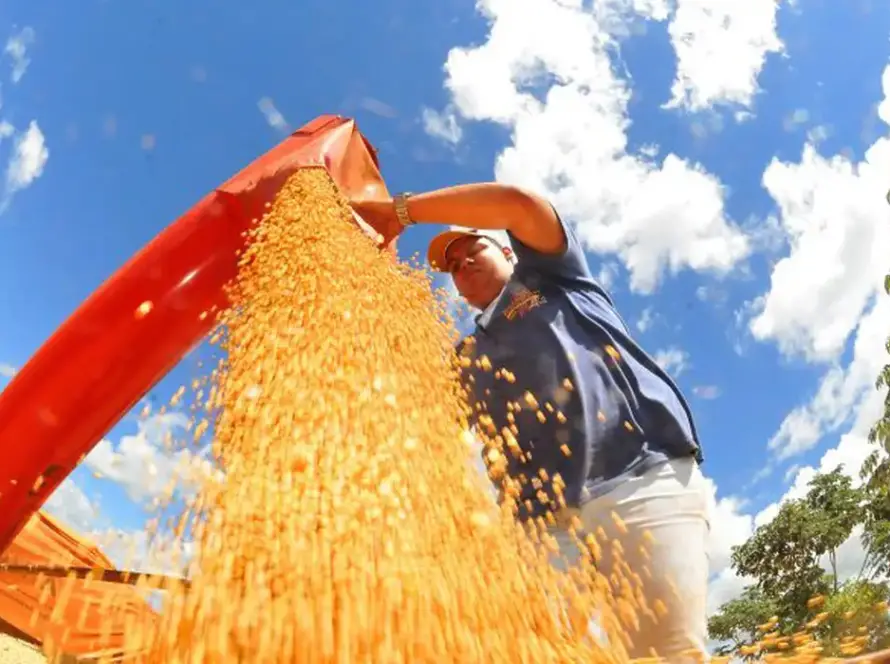
Photo: Luiz Henrique Magnante
In South America, Paraguay projects a recovery in productivity, with total production—including the main crop and the second crop—exceeding 10 million tons. Argentina, in turn, is expected to reduce its soybean acreage in the 2025/26 cycle, with corn gaining ground after more favorable weather conditions at the beginning of the cereal's cycle. Argentine soybean planting begins in the second half of October, and the outcome will depend on rainfall in the coming months.
Despite continued demand growth, no country is currently driving global consumption with the same force that China did in previous decades. Biofuels represent a growing segment, but they are heavily dependent on public policies, which can be altered by factors such as inflation, changes in government, and political alignment. For now, the US is expected to expand renewable diesel mandates, and Brazil is expected to continue increasing the mandatory biodiesel blend.
The United States and the new geopolitical "chessboard"
In the United States, the 2025/26 harvest is progressing with record productivity, although total production has been limited by a reduction in planted area, partly redirected to corn. Domestic consumption remains strong, maintaining the balance between supply and demand, while soybean crushing remains robust, thanks to good margins and demand for meal and oil. The outlook for the use of soybean oil in biofuels is positive, but still depends on policy decisions.
In the international market, American exports are facing difficulties due to the absence of China, which has prioritized Brazilian soybeans and increased purchases in Argentina, Paraguay, and Uruguay. Trade relations between the two countries remain tense, and the market is cautiously awaiting a meeting between their leaders scheduled for October.
Download the full StoneX Commodities Outlook report. here.