 EN
EN  PT_BR
PT_BR Brazilian fish farming exports were directly impacted by the imposition of the 50% tariff by the United States, which came into effect in August of this year. The United States accounted for approximately 90% of the sector's foreign sales, equivalent to US$$ 32 million in the first half of the year. This measure interrupted the flow of Brazilian products to that market, affecting the entire production chain.

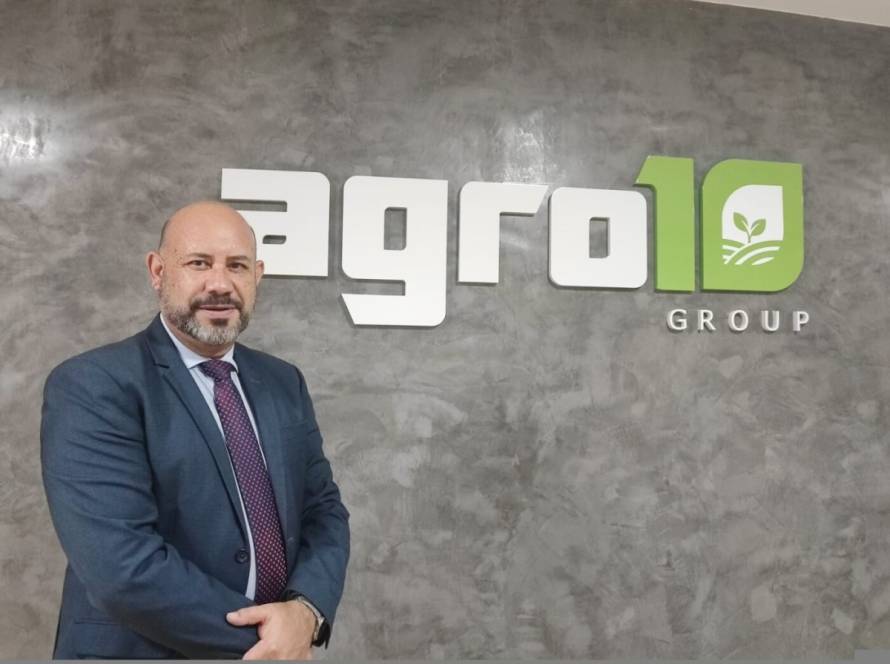
President of Peixe BR, Francisco Medeiros: “Canada is an option, but the demand is equivalent to only 10% of what we exported to the USA” – Photo: Gabriel Muniz/Peixe PR
According to the president of the Brazilian Aquaculture Association (Peixe BR), Francisco Medeiros, the impact falls mainly on companies that had invested specifically in the North American market, whether in certifications, processing units, or specialized teams. "For these companies, the loss of exports represents not only a drop in revenue, but also a mismatch between costs already incurred and the inability to sell abroad," he emphasizes.
To address this scenario, many companies are redirecting part of their production to the domestic market, adjusting slaughter volumes and workforce. However, this reallocation faces limitations: fresh tilapia fillets, for example, have few alternative markets capable of absorbing the volumes previously sent to the United States. “Canada is an option, but the demand is equivalent to only 10% of what we exported to the US. It's a very restricted market for premium products like ours,” says Medeiros.
In the domestic market, consumption remains stable, but the oversupply due to the suspension of exports is already putting pressure on the prices paid to producers. Furthermore, the influx of low-quality imported tilapia increases competition and poses a risk to the competitiveness of national production.
Regarding the importation of fish from abroad, Medeiros mentions that the main problem in Brazil today is...

Photo: Diego Vargas
The Brazilian government has denied authorization for the importation of tilapia from Vietnam, due to the product being of low quality and using processing protocols that are prohibited in the country.
According to Medeiros, the most profound impacts will only be felt in the next production cycle, since the fish currently being farmed were planned considering the expectation of export to the United States. "The sector needs to diversify its markets to reduce future risks," he points out.