 EN
EN  PT_BR
PT_BR 
The market of soy It should follow a series of factors in the coming days, with emphasis on the meeting between Presidents Donald Trump and Xi Jinping, the progress of the harvest in the United States and the start of planting for the 2026/27 crop in Brazil. According to data released by Grão Direto in the analysis “Direto do Campo”, by Grainsights, published this Monday (21), weather, exports, oil, fund activity and export premiums should also influence prices.
The meeting between Trump and Xi Jinping in Washington appears to be the main event for the grain market this week. Traders are monitoring the possibility of announcements of new Chinese agricultural purchases and the extension of the trade truce between the two countries, which expires in November.
On the eve of the meeting, China had already been showing signs of increased market participation. According to data released by Grão Direto, the United States Department of Agriculture (USDA) confirmed multiple purchases of US soybeans by the Asian country in September alone. The last transaction mentioned in the analysis was recorded on Friday, before the meeting between the presidents.
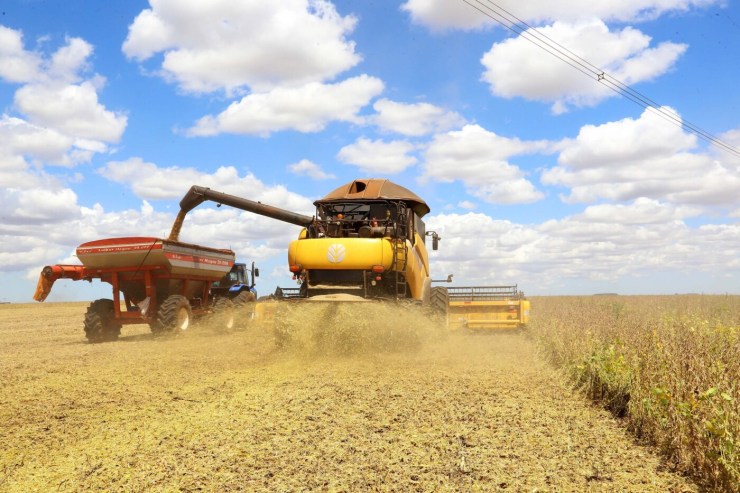
The progress of the harvest in the United States should also limit the scope for price increases in the short term. With harvests advancing to a range of 15% to 25%, a larger volume of grain is beginning to reach the market, increasing the available supply.
According to data released by Grão Direto, the movement could put pressure on storage capacity in the United States and reduce premiums paid in local markets. With greater product availability and less room for price increases, the analysis points to difficulties for the CBOT to advance in the short term.
In Brazil, the market is expected to follow the pace of planting for the 2026/27 crop, especially in the main producing regions. In Mato Grosso, irregular rainfall may hinder the work of machinery and delay the schedule.
In the southern region, excessive rainfall can harm both planting and the initial development of crops. According to data released by Grão Direto, an intensification of these climatic problems could lead the market to price in a higher risk for Brazilian production.
Exports are also on the radar. According to data released by Grão Direto, the USDA's projections for foreign sales still need to be confirmed through weekly Export Sales reports, especially regarding Chinese demand.
If Asian demand suddenly declines in the coming weeks, the perception of oversupply could increase and put even more pressure on soybean prices.
At the same time, the conditions of the Mississippi River system require attention. The waterway is one of the main routes for grain transportation in the United States, and low water levels can increase the cost of barge transport and, consequently, raise the FOB price in the Gulf.
The energy market can also influence the soybean complex. With oil prices at high levels, biodiesel production margins tend to become more attractive, increasing interest in using vegetable oil in fuel manufacturing.
According to data released by Grão Direto, this scenario could strengthen demand for soybean oil, especially in the United States, and help support prices for the complex.
Stronger industrial demand for oil also reduces some of the pressure on soybean prices. This movement could act as price support during periods of increased soybean supply.
Another point of attention is the behavior of investment funds. The approach of the end of the quarter and the month of September may increase the activity of large hedge funds.
According to data released by Grão Direto, fund managers tend to adjust positions and rebalance portfolios in light of the new interest rate environment in the United States. This movement may increase the volatility of agricultural prices, especially if there is a reduction in commodity positions and an outflow of capital from assets considered riskier.
Export premiums at the ports of Santos and Paranaguá may also be subject to adjustments. With the arrival of a larger supply of soybeans from the United States, Brazilian trading companies may need to reduce prices to maintain competitiveness in sales destined for China.
According to data released by Grão Direto, this movement tends to put pressure on export premiums and may reduce the price paid for soybeans in cooperatives and in the domestic market.
Given this scenario, the soybean market enters the week under the simultaneous influence of trade decisions, increased US supply, weather conditions in Brazil, Chinese demand, the energy market, fund movements, and premium formation at ports.