 EN
EN  PT_BR
PT_BR The gross value of soybean production grew by 8.26% in 2025, supported by a 13.35% increase in production, despite a 4.49% drop in prices compared to the previous year. This result reflects a record harvest in the 2024/25 cycle, driven by the expansion of cultivated area and increased productivity, according to data from the National Supply Company (Conab) and the Center for Advanced Studies in Applied Economics (Cepea).

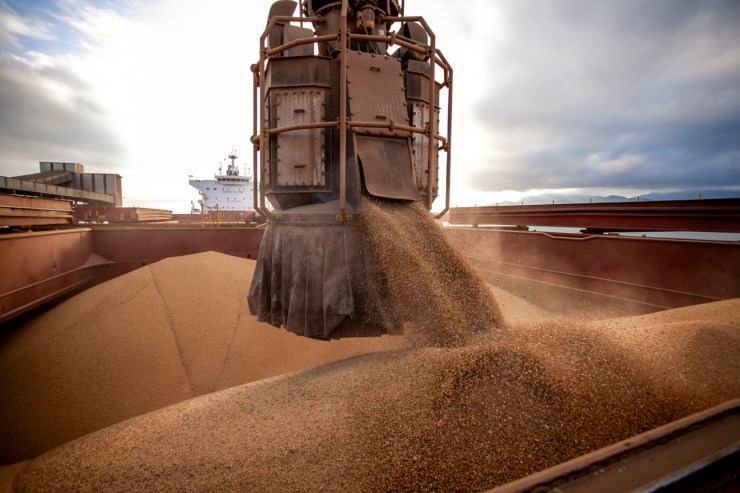
Photo: Antonio Neto
Productive performance was favored by favorable weather conditions and the intensive use of technology in the field, with greater standardization of management practices and operational gains on the farms. The combination of these factors increased the supply of grain in the domestic and international markets throughout the year.
In the first quarter, the progress of the harvest put downward pressure on prices, increasing market availability. Even so, the pace of trading was limited by buyers' caution in the face of expectations of a large harvest. In March, transactions gained momentum, driven by external demand and increased domestic supply.

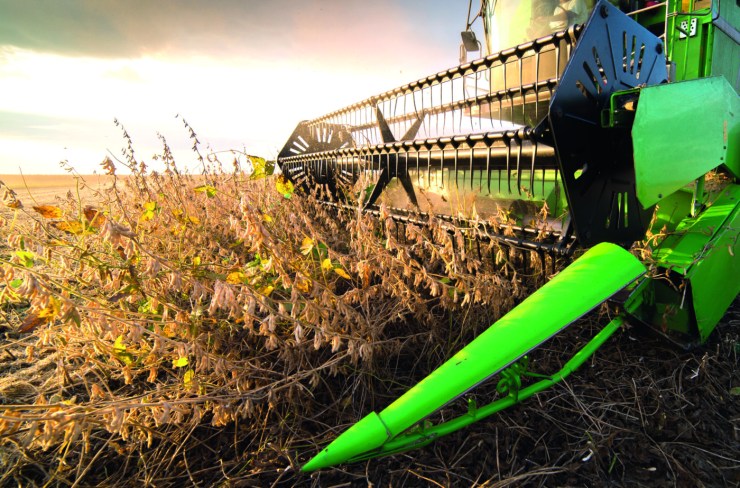
Photo: Jaelson Lucas
During this period, Brazil concentrated a significant portion of global demand, favored by the ample availability of soybeans and changes in the international trade environment. Export premiums reached their highest levels since 2022, stimulating sales and shipments. The devaluation of the real against the dollar also increased the competitiveness of Brazilian products abroad.
In the second quarter, prices rose in both domestic and international markets, supported by global demand and expectations of increased Chinese participation in purchases. Domestically, the expansion of biodiesel blending in diesel fuel boosted demand for grain destined for processing. Even so, liquidity was limited by lower export premiums and exchange rate volatility.
In the third quarter, prices maintained an upward trajectory, supported by domestic and external demand, and by competition between industries and

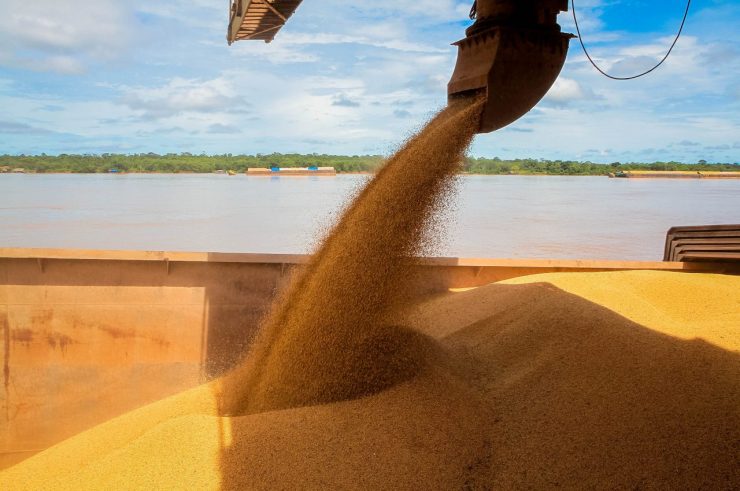
Photo: Disclosure/OPR Archive
Exporters and reduced freight costs. In September, prices fell with the arrival of the US harvest, the start of planting in Brazil, and currency fluctuations, although levels remained high.
In the fourth quarter, prices showed a moderate recovery and greater volatility in the domestic market. External demand remained strong, while lower supply in the spot market and delays in planting the new crop, influenced by weather conditions, helped to support prices until the end of the year.