 EN
EN  PT_BR
PT_BR 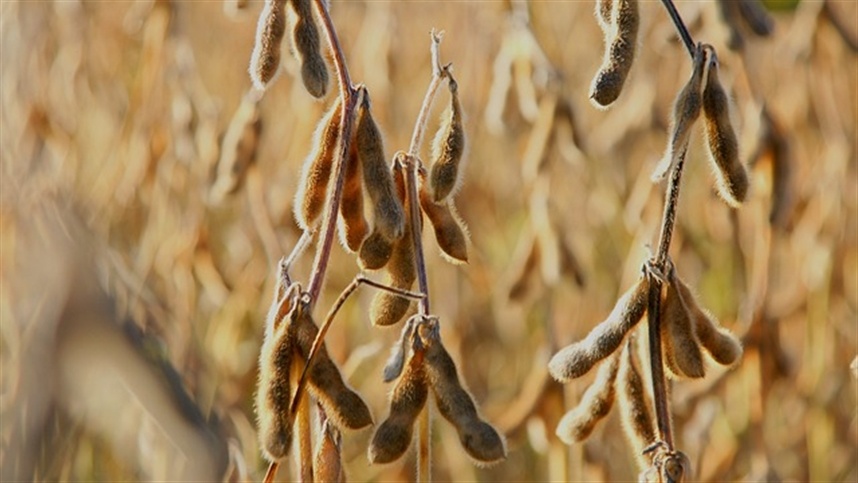
The spread of Asian soybean rust in the last harvest reinforces the need for vigilance during the crop-free period. soyThis period, in addition to helping interrupt the disease cycle, allows for important decisions to be made in advance for the next planting season.
The Antirust Consortium recorded 379 cases of the disease in the 2025/26 crop season, about three times the 124 occurrences of the previous cycle. During the sanitary break, the presence of live soybean plants, including volunteer plants, is not allowed, as they can maintain the fungus in the field between crops.
According to Renato de Souza Rodrigues, sales representative for Conceito Agrícola, delaying the onset of the disease helps preserve the effectiveness of fungicides, reduce applications and costs, and decrease risks to productivity. Failure to comply with the period may also result in penalties.
The off-season can also be used for pest and weed management, machinery maintenance, and soil analysis. The diagnosis allows for guidance on liming, gypsum application, and fertilization, as well as identifying limitations in deeper soil layers.
This period also favors the definition of cultivars, seed treatment, fertility, and phytosanitary strategies, facilitating the organization of inputs, machinery, and operations before sowing. “It is at this time that we can gather data from the property and transform this information into planning. We believe that a great harvest begins long before planting. Our team is present in the field sharing knowledge, planning, and providing technical assistance so that each hectare expresses its maximum productive and economic potential,” concludes Rodrigues.