EN
EN  PT_BR
PT_BR 
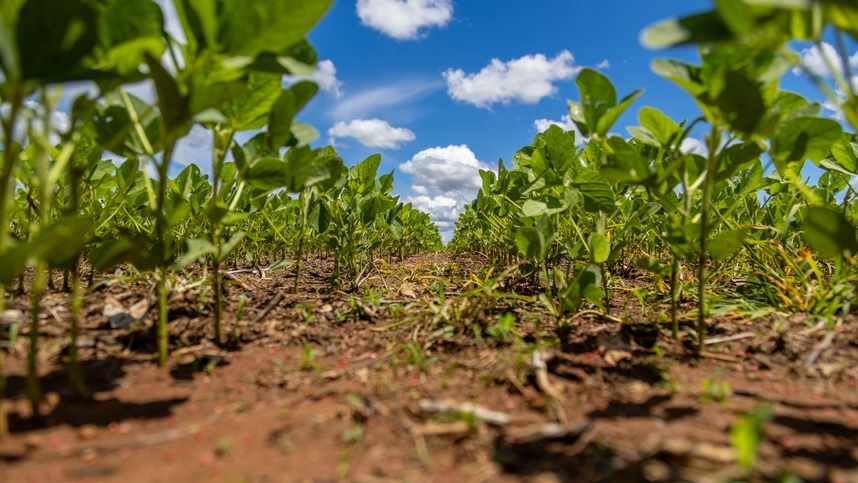
Cutting height and uniform distribution of crop residues help reduce clogging and failures in planting. soy and corn.
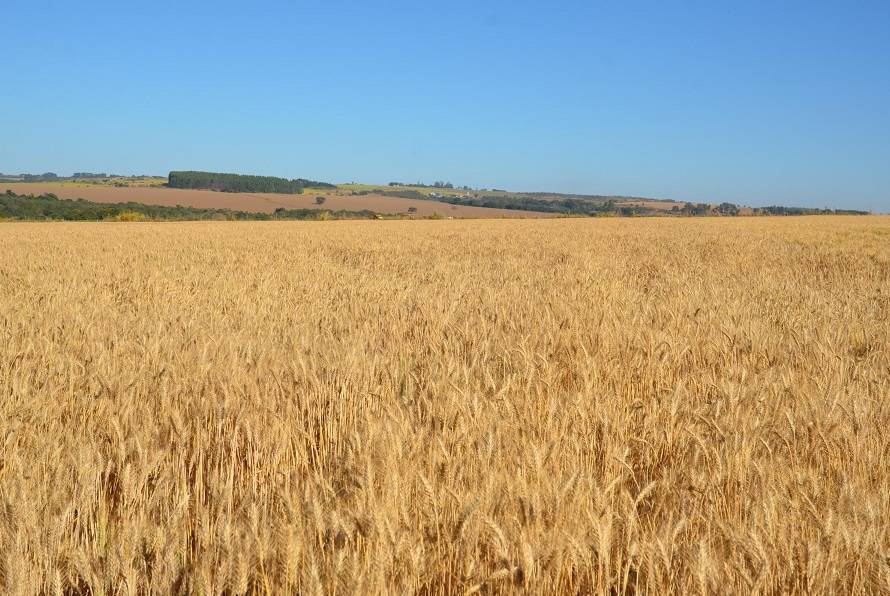
Managing straw during harvesting wheat This can determine the quality of the subsequent crop planting. In no-till systems, especially when the interval between harvesting the grain and planting the next crop is short, it is crucial. soy or corn It is short, and adjusting the combine harvester becomes important to avoid problems during sowing.
Crop residue protects the soil against erosion, reduces water loss through evaporation, and contributes to nutrient cycling. The problem arises when crop residues are poorly distributed, forming dense patches behind the machinery.
Under these conditions, the seeder may have difficulty cutting through the straw and opening the furrow. Clogging, seed placement failures, and irregular emergence are among the main consequences. Cutting height is one of the first adjustments. Cuts that are too low increase the volume of straw processed by the harvester and can increase fuel consumption and strain on the chopper. Cuts that are too high leave a greater quantity of stalks standing, which can hinder certain seeder models.
The choice should consider the harvester's capacity, the moisture content of the straw, and the equipment that will be used in the next planting. More robust seeders can handle larger amounts of residue, while lighter machines depend on a more uniform distribution.
The spreading of crop residue is another key point. The chopper, shovels, and deflectors must be adjusted to distribute the straw across the entire width of the platform. An inspection during the first few passes allows for the identification of heavily laden areas or areas with poor coverage, enabling adjustments before the problem spreads throughout the field.
The producer should also monitor grain losses and straw concentration. Grains left in the field can give rise to volunteer wheat plants, while fine residues accumulated in certain areas can impair seed-soil contact.
Excessive harvesting speeds can also hinder straw spreading and increase losses. Therefore, field tests and frequent inspections help adjust the operation to the conditions of each area. The goal is to maintain the benefits of soil cover without turning the straw into an obstacle for the next crop. Adjusting the combine harvester considering the seeder's capacity helps preserve no-till planting and improve the uniformity of soybean, corn, or other summer crop planting.