 EN
EN  PT_BR
PT_BR When it comes to Brazilian foreign trade, the United States, the European Union, and China usually feature prominently in major economic and diplomatic discussions. However, the most recent trade balance figures show that the contribution of each of these markets to the performance of Brazilian exports is quite different.

Photo: Beto Barata/Agência Brasil
Between January and May 2026, Brazil accumulated a trade surplus of US$32.66 billion. Analysis of the data reveals that a significant portion of this result is concentrated in sales to a single trading partner, whose demand continues to be crucial for various sectors of the national economy, especially agribusiness.
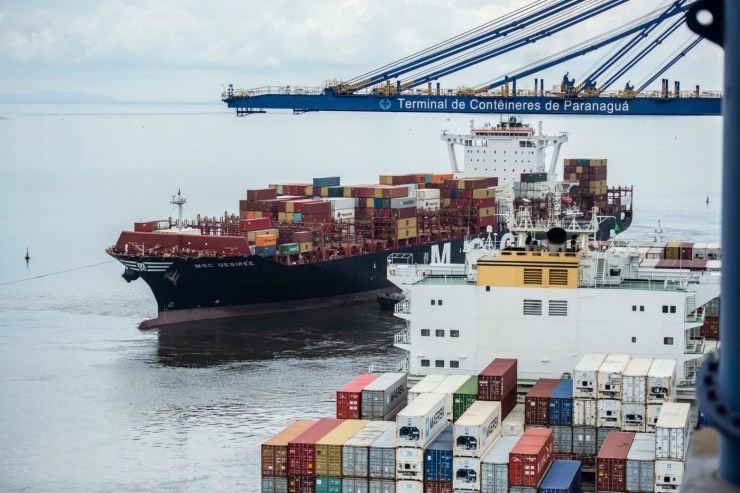
During this period, China imported US$46.26 billion worth of Brazilian products, generating a positive trade balance of US$15.5 billion for the country. In practice, the Chinese market accounted for almost half of the entire Brazilian trade surplus recorded in the first five months of the year.
The volume of Chinese purchases far surpasses that of other trading partners. During the same period, the Union Europe acquired US$$ 21.81 billion in Brazilian products, while the United States imported US$$ 14.01 billion.
China widens the gap with other markets.
The numbers show a growing difference between the main destinations for Brazilian exports.
China alone purchased more than double the volume acquired by the European Union and more than three times the value exported to the United States. Furthermore, the Asian country absorbed approximately one-third of everything Brazil sold abroad during that period.
China's share of Brazilian exports reached 32.9% between January and May, reinforcing the country's position as Brazil's main trading partner.

Photo: Shutterstock
This performance contrasts with the results obtained in trade relations with the United States. Despite the economic importance of both countries, trade recorded a deficit of US$1.47 billion for Brazil during the period, indicating that imports of US products exceeded Brazilian exports to that market.
Agribusiness drives results.
Much of this performance is linked to agribusiness and commodities exported by Brazil.
Soybeans remained the main product in the national export agenda. In May alone, external sales of the grain totaled US$6.3 billion.
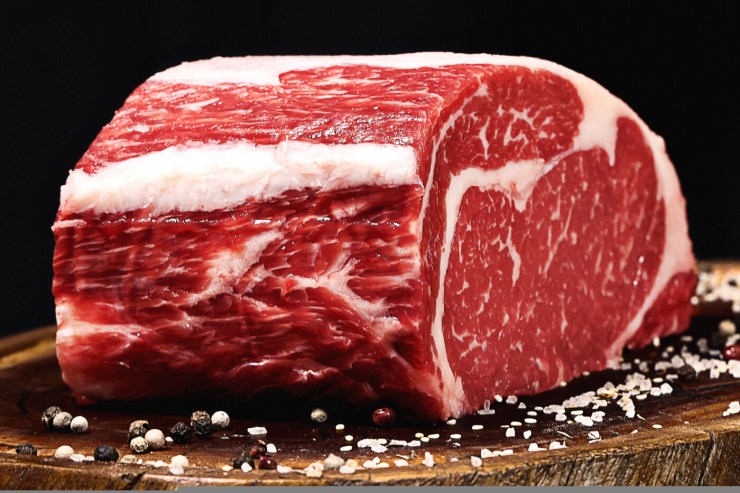
Beef also showed significant growth. Exports of the protein increased by 50.21% during the period analyzed, driven by strong international demand.
Other products linked to the commodities sector registered significant performance. Oil exports

Photo: Shutterstock
Fuel prices increased by 75.2%, gold prices advanced by 56.7%, and copper ore prices jumped by 149.4%.
The results reinforce the role of agricultural, mineral, and energy commodities in generating foreign exchange for the country and help explain the importance of buyer markets for balancing external accounts.
Addiction requires attention.
While Chinese demand has been crucial in sustaining Brazilian exports, the figures also show a growing concentration of foreign sales in a single market.

Photo: Shutterstock
For agribusiness, this dependence is even more evident. China is the main destination for Brazilian soybeans and is among the largest buyers of beef, pulp, cotton, and other commodities produced in the country.
This concentration makes export performance more sensitive to potential changes in the Chinese economy, regulatory changes, or revisions to import policies adopted by the Asian country.
Europe maintains a strategic role.
Although lagging behind China in terms of purchase volume, the European Union continues to occupy a relevant position in Brazilian foreign trade.
With imports of US$21.81 billion between January and May, the European bloc remains the second largest importer.

Photo: Claudio Neves
It is a major destination for national exports and maintains significant influence in sectors linked to agribusiness.
Beyond its economic importance, the European Union exerts a strong influence on issues related to animal health, traceability, and sustainability, frequently establishing standards that end up having repercussions in other regions of the world.
The figures for the first five months of 2026 show that Brazil continues to expand its presence in international trade, but they make it clear that sustaining this performance increasingly depends on the ability to maintain and strengthen its trade relationship with the Chinese market.