 EN
EN  PT_BR
PT_BR New technologies applied to nutritional additives are among the main solutions sought by animal protein producers to meet the sanitary requirements announced by the European Union this week.
Alternatives for reducing the use of antimicrobials in poultry, cattle, swine, and fish farming were highlighted during FENAGRA – the International Agro-industry Fair Feed & Food 2026 (which ended this Thursday at Expo Anhembi).


Amaro Borges, commercial director
The global market for functional additives without antimicrobial growth promoters (AGPs) is expected to reach US$7.8 billion by 2028, with probiotics and synbiotics among the key nutritional tools.
“The question is not whether Brazil will adapt, but when. Biotechnology is already available, widely validated by science and large-scale use. Producers who anticipate this transition have an advantage in premium markets, which demand antimicrobial-free production,” says veterinarian Amaro Borges, commercial director of BioSyn Saúde Animal, a company based in Santa Catarina, expanding into Latin America.
Doors closed to AGPs
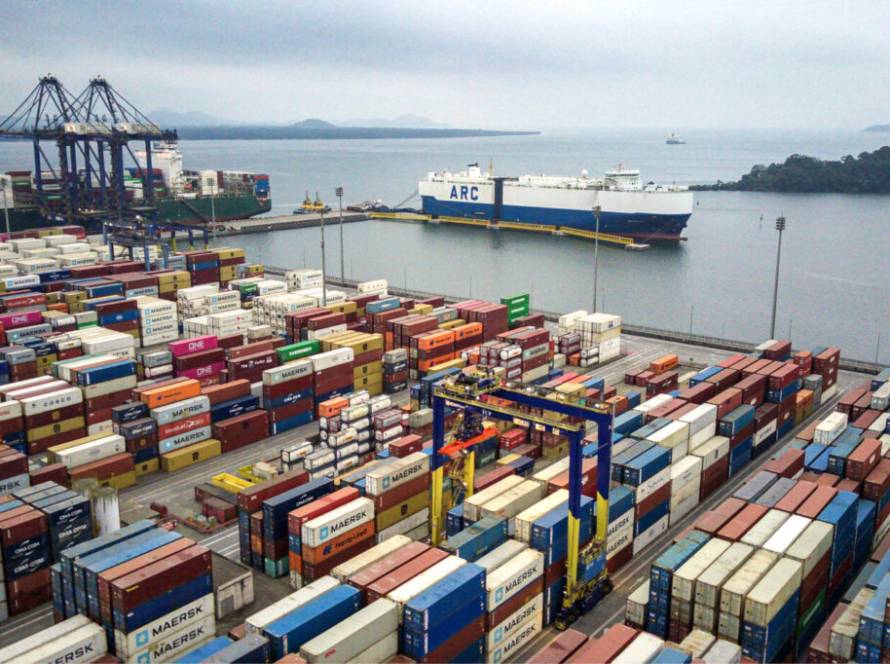
The ban on GPAs in European livestock farming began in 2006 and will extend to supplier countries from September 2026. The European Union restriction is expected to directly affect exports to the third largest destination for Brazilian beef in terms of value (after China and the USA).
Meanwhile, other producing countries, such as Argentina, Colombia, and Mexico, remain on the list of compliance with European requirements.

Carlos Kneipp, technical director of BioSyn,
According to BioSyn's technical director, Carlos Kneipp, the measure signals that trade barriers based on antimicrobial resistance are the new reality of international animal protein trade.
"Antimicrobial resistance directly kills 1.27 million people globally each year. Europe is protecting its population, the world needs to do the same, and Brazil needs urgent measures to maintain its competitiveness," points out the veterinarian.
National research and development
The company where he works as Director of Research and Development is located in Araquari, in the northern region of Santa Catarina, and is expanding internationally into Latin America. The business is driven by the growing demand for biotechnology based on the action of probiotic microorganisms for animal health.
To compete with international suppliers, BioSyn Animal Health focuses on differentiators such as the selection of specific genotypes with beneficial characteristics to improve animal productivity and well-being.
In addition to this genomic mapping that ensures biosecurity for live microorganisms, the company has developed its own technology to protect these and other bioactive compounds that need to reach the animal's intestine intact, an organ responsible for approximately 70% of immunity:
“It’s no use providing the best probiotic if it doesn’t reach the intestine viable. These beneficial microorganisms are very sensitive in extreme processes, such as extrusion and pelleting of feed, as well as to stomach pH. The microencapsulation developed by BioSyn protects our probiotics, guarantees viability, with faster and more effective action,” adds Kneipp.
Competitive advantages vs. imported products:
- Generic imported strains → Mapped and proprietary strain
- Unprotected probiotics → Microencapsulation
- Viability not guaranteed → Guarantee of viability in the intestine
- Without genomic traceability → Biosafety recorded in molecular identification process (Genomic Validation of Microorganisms)
The cost of antimicrobial resistance
According to the Food and Agriculture Organization of the United Nations (FAO), approximately 73% of the antimicrobials produced globally are used in animal production. The indiscriminate use of these drugs promotes the development of multidrug-resistant bacteria.
The Review on Antimicrobial Resistance study, commissioned by the British government, projects that if indiscriminate use is not reversed, antimicrobial resistance will cause 10 million deaths annually by 2050 and cost the global economy US$$ 100 trillion.
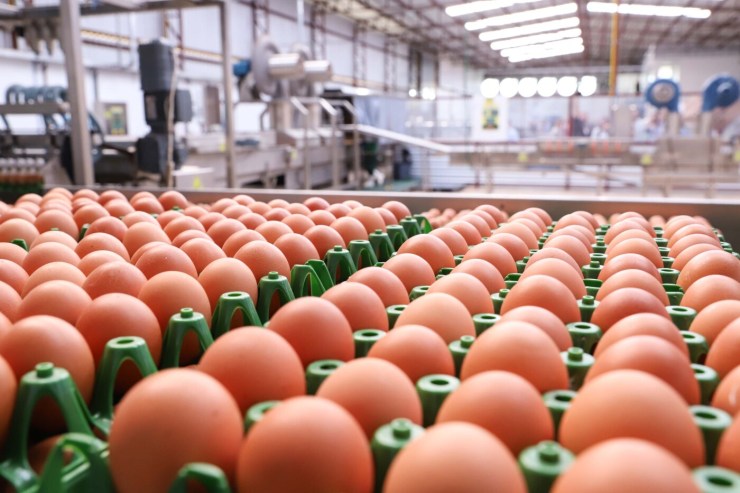
In Brazil, data from the Brazilian Association of Animal Protein (ABPA) indicates that 73% of broiler chicken farms still use some type of antimicrobial growth promoter (AGP).
The global market grows 18.71% annually.

Carlos Freitas, national manager,
A report by the international consulting firm Marketsand Markets projects that the global market for AGP-free functional additives should reach US$7.8 billion by 2028, with growth concentrated in exporting countries pressured by sanitary barriers.
“That’s exactly where BioSyn’s role comes in. It’s not enough to offer the product; it’s necessary to transfer knowledge, adjust protocols for each production reality, and monitor the transition. We have a highly qualified technical team for this,” emphasizes the national manager, Carlos Freitas.
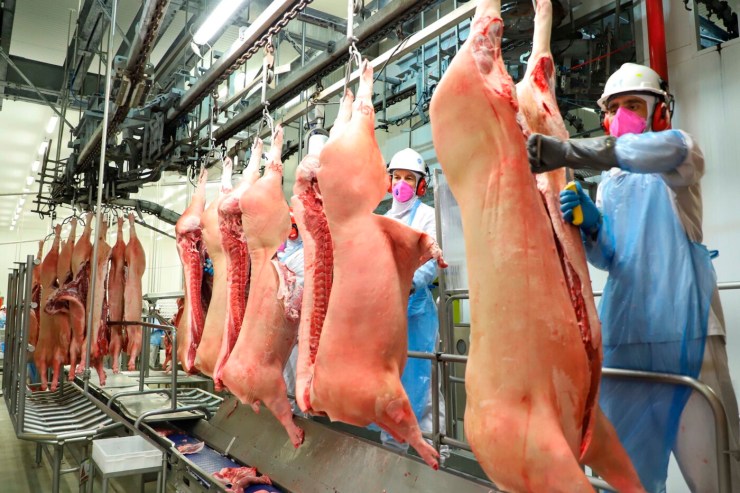
Brazil, the world's largest exporter of beef and chicken, is also the 4th largest producer of pork and faces the challenge of anticipating the transition and conquering premium markets.
“Other countries are already in this race. Thailand, Vietnam, and South American competitors are investing heavily in antibiotic-free certifications. Brazil has a competitive advantage in scale, genetics, nutrition, and animal health. But it needs to add technology to avoid losing its leadership,” adds Freitas.