 EN
EN  PT_BR
PT_BR Following a meeting with the Indian Minister of Agriculture and Farmers' Welfare, Shri Shivraj Singh Chouhan, Ministers Carlos Fávaro, of Agriculture and Livestock, and Paulo Teixeira, of Agrarian Development and Family Farming, highlighted, this Friday (20), the strengthening of agricultural cooperation and the expansion of trade relations between the two countries. The meeting was part of the agenda of President Luiz Inácio Lula da Silva's delegation in New Delhi.
Among the topics discussed were bio-inputs, mechanization, artificial intelligence applied to agriculture, and productive complementarity between the two agricultural powerhouses. The ministers emphasized that Brazil and India share challenges related to food security and the need to increase productivity sustainably.

Photo: Caroline de Vita/Map
According to Minister Carlos Fávaro, the meeting opened the door for concrete advances in bilateral trade of agricultural products. “We discussed expanding trade relations. Brazil is ready to open up pomegranate imports from India and also to receive macadamia nuts produced here. In return, we are seeking to open up the pigeon pea market, as well as expand opportunities for Brazilian chicken meat and yerba mate,” he stated.
Fávaro also highlighted the convergence between the countries in the development of bio-inputs, a strategic area for the transition to more sustainable production systems. Technical cooperation should include the exchange of knowledge, research, and the promotion of technological solutions adapted to tropical realities.
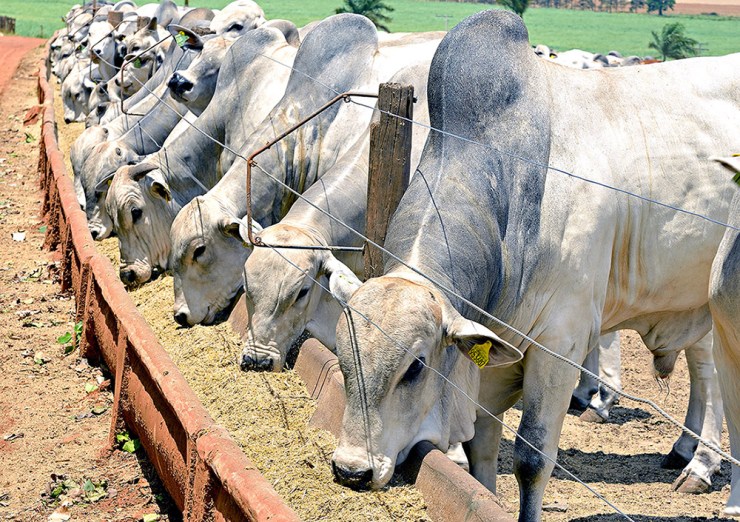
Minister Paulo Teixeira emphasized the complementarity between the two agricultural sectors and the potential for cooperation in genetic improvement, mechanization, and innovation. The presence of Brazilian companies operating in the Indian market, including in the area of bovine genetics, was cited as an example of integration already underway.
The agricultural agenda comes at a time of intensified bilateral relations between Brazil and India. By 2025, trade between the two countries reached US$15 billion, an increase of 25.5 billion compared to the previous year, and the common goal is to raise this value to US$20 billion by 2030.
The official visit also includes discussions on technological cooperation, digital transformation, and food security, topics that are among the priority pillars of the strategic partnership between the two nations.