 EN
EN  PT_BR
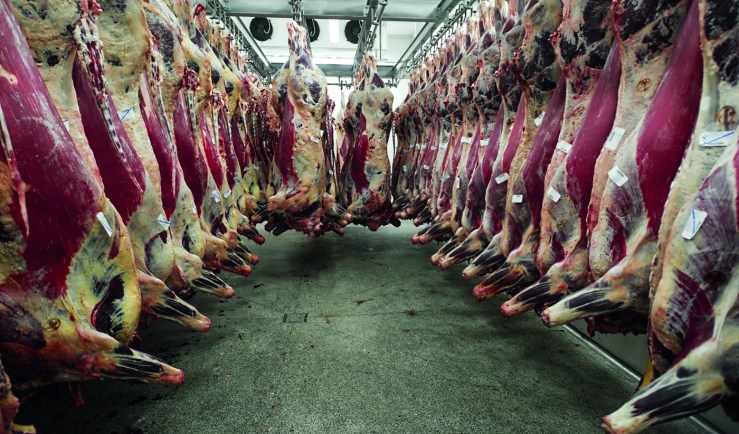
PT_BR Mato Grosso recorded the highest volume of cattle slaughter for a first semester. Data from the Mato Grosso Institute of Agricultural Economics (Imea) shows that, between January and June of this year, the state slaughtered 3.5 million head of cattle. The record was mainly driven by strong international demand for beef, especially from China.
According to the institute, the record for the first half of 2026 represents an increase of 3,58% compared to the slaughter figures for the same period in 2025. The result reflects the surge in exports and the increased demand for finished animals during the first six months of the year.
Ana Eufrázio, a beef cattle analyst at Imea, highlights that the record was sustained by the growth in the slaughter of male cattle. “In the first half of 2026, Mato Grosso reached a slaughter volume never seen before for a first semester in the entire historical series. A total of 3.65 million head of cattle were slaughtered, with a notable increase in the slaughter of male cattle and a decrease in the slaughter of female cattle,” she explains.
Of the total slaughtered, 1.81 million head were males, an increase of 13.05% compared to the first half of 2025. The slaughter of females, however, decreased by 4.26%, totaling 1.85 million animals.
Ana Eufrázio explains that this reduction in the number of female cattle sent to slaughterhouses highlights the transition in the livestock cycle in Mato Grosso.
“This decline is due to the intense slaughter of females recorded in recent years and the current scenario, in which restocking has become more attractive again. As a result, many producers are retaining breeding stock to replenish their herds, which reinforces this change in the livestock cycle,” he says.
The performance of Mato Grosso's livestock industry was also accompanied by a record result in beef exports. In the first half of this year, Mato Grosso shipped 511,750 tons in carcass weight equivalent (TEC), a growth of 38.76% compared to the same period last year. In revenue, exports totaled US$2.41 billion, an increase of 63.82%.
According to Imea, strong international demand, especially from China, was a determining factor in this performance in the state's exports.
"The record number of slaughters was driven by increased demand from meatpacking plants, especially from China, which accounts for more than 501% of Mato Grosso's beef exports," the analyst points out.
Another factor that contributed to the increase in shipments was the anticipation of exports to the Chinese market. According to Imea, the imposition of the safeguard quota caused meatpacking plants to accelerate shipments before the tariff limit was exhausted.
“Within the quota, exports occur normally. Outside of it, a surcharge of 55% is applied. This caused a rush among meatpacking plants in the first half of the year to sell the largest possible volume before the quota was exhausted,” explains analyst Ana Eufrázio.
With the Chinese quota now filled, the market is beginning to show signs of slowing down. In the last week of June, the live cattle futures indicator fell 2%, equivalent to R$ 6.62 per arroba, reflecting the reduced activity of some exporting plants and an adjustment movement after the strong price increases recorded throughout the semester.
Projections for the second half of the year.
According to Imea's projections, exports to China are expected to slow down in the coming months. This scenario could put downward pressure on prices in the third quarter.
“Currently, the price of beef has decreased because the quota has already been reached and new shipments will be subject to a surcharge. The expectation is for greater pressure on prices during the third quarter due to reduced Chinese demand,” says Ana.
Despite this scenario, the limited supply of finished cattle should restrict steeper price drops throughout the second half of the year. According to Imea, the market is expected to regain strength from the second half of October, when meatpacking plants resume logistical planning to meet the new export quota destined for the Chinese market in 2027.
“This scenario of external demand and the rush to meet the quota explains the record slaughter and export figures registered by Mato Grosso in the first half of 2026. The expectation is that the market will start moving again in the second half of October, already with an eye on next year's Chinese quota,” indicates the analyst.