 EN
EN  PT_BR
PT_BR Cattle fattening in feedlots in 2026 should reach 1.44 million head in Mato Grosso, according to the 1st survey by the Mato-Grossensse Institute in Agricultural Economics (Imea), published on Thursday (14). The expectation is that the state will have a volume 55,39% higher, compared to the year 2025.
The survey by Imea was conducted during the month of April and, according to the institute, this increase in confinement should be sustained by large-scale production.
According to the study, feedlots with a capacity of over 5,001 head are expected to account for 80.92% of the total expected feedlot capacity in 2026, representing approximately 1.17 million head of cattle.
The western region leads in confinement intentions with 407,912 head, an increase of 50% compared to last year. Next is the northern part of Mato Grosso (333,487). Then come the Southeast (192,500), Northeast (153,414), South-Central (143,573), Mid-North (134,573), and Northwest (78,154).
In addition to the projected growth, even in a scenario of high prices for finished cattle, feedlot operators have been expanding the use of price protection mechanisms for 2026. This behavior reflects a more cautious stance from the sector in the face of increasing uncertainties in the international economic and geopolitical landscape.
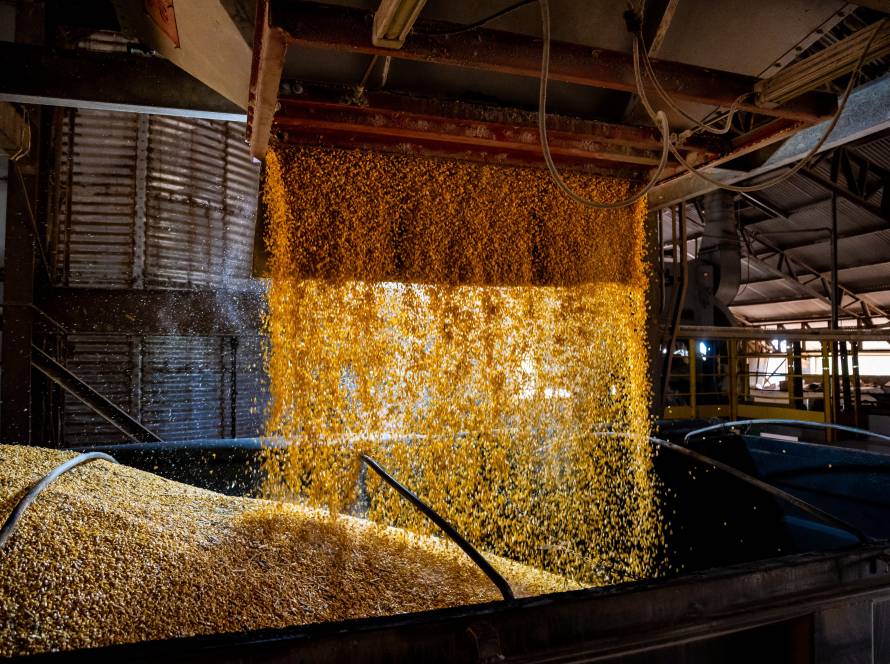
In this first survey by Imea in 2026, another highlight is the improvement in the exchange ratio between finished cattle and corn. The average daily cost of feedlot cattle showed a slight decrease, going from R$ 13.15 to R$ 13.05 per head/day, mainly influenced by the devaluation of corn in the state.
Research from Imea indicates that costs remain pressured by increases in freight and diesel prices, factors that continue to directly impact the operation of feedlots.
The expansion of activity in Mato Grosso is concentrated in large-scale feedlots, which are expected to register growth of 21,831 TP4T compared to the previous year. Smaller feedlots, especially those with a capacity of up to 1,000 head, are expected to show a decrease of 4,581 TP4T, reflecting greater difficulty in absorbing the higher costs of cattle restocking.
According to the survey, there is growing concern about the supply of calves on the market, a consequence of the high slaughter of females recorded in recent livestock cycles. This scenario reduces the availability of animals for restocking and keeps prices high.
Projection for the second half of the year
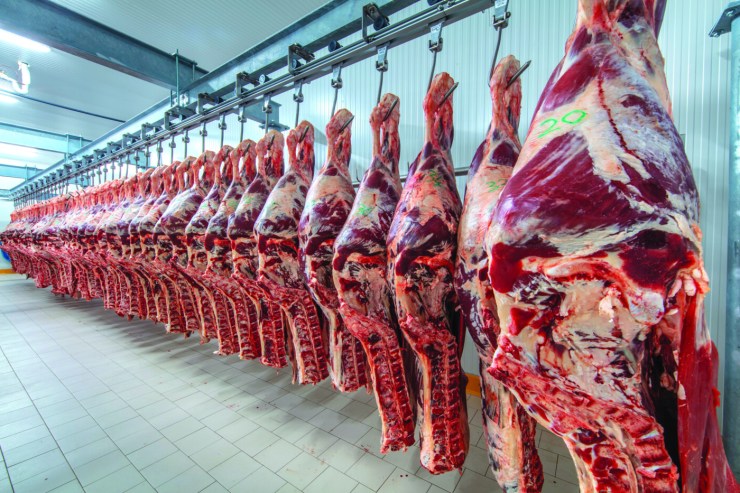
The Imea study shows that feedlots should continue to play a strategic role in supplying the meatpacking industry during the livestock off-season, throughout the second half of 2026.
Between July and December, 82.6% of the confined animals should be sent for slaughter, maintaining the strong concentration of supply in the second half of the year, a period in which there is a reduction in the carrying capacity of the pasture and confinement gains importance in the fattening system.