 EN
EN  PT_BR
PT_BR This week, heavy rains that hit Tocantins caused work stoppages in the fields, delaying the planting of the 2025/26 soybean crop and compromising the ideal planting window. The intense rainfall, combined with high temperatures, has limited the progress of operations and jeopardized the agricultural calendar. According to agronomist Thiago Facco, the cycle began promisingly, but adverse weather conditions have been intensifying and hindering the progress of sowing in several regions.
For farmers who begin planting in November, the warning is clear: early preparation and technical soil management will be crucial to compensate for the late planting window and ensure good productivity. This includes attention to chemical corrections, physical structure, and the homogeneity of input application. Although practices vary according to the profile of each property, the basic principles of preparation are common and have a direct impact on crop performance.

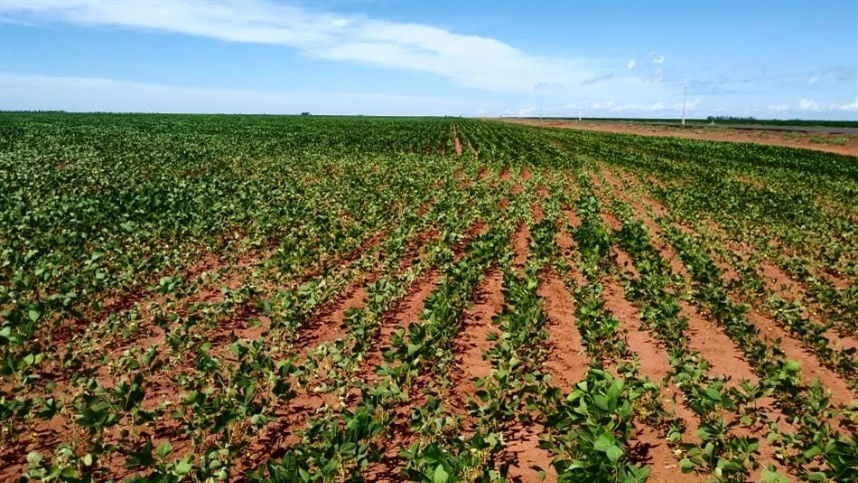
Photo: Disclosure/OPR Archive
Soybean planting in Brazil takes place between September and December, varying according to the climate and zoning of each region, in addition to the sanitary break, a period in which it is prohibited to keep live plants of the crop.
In Mato Grosso, approximately 761 TP4T of the planned area has already been sown, according to recent data. In Goiás, the progress is approximately 501 TP4T, with the period extending until the first half of December. In Paraná, sowing began on September 11th and extends until December 31st. In Rio Grande do Sul, the window runs from October 1st to December 31st. In São Paulo, Minas Gerais, Maranhão, Piauí, and Tocantins, the schedule varies according to altitude, humidity, and rainfall regularity, a factor that has been particularly challenging this year.
In Tocantins, planting, which began on October 1st, was directly impacted by the rains. Regions that had been progressing rapidly are now experiencing delays and prospects of reduced cultivated area and productivity in the second crop.
To minimize losses, experts recommend that farmers conduct chemical analyses of the soil, evaluating pH, phosphorus, potassium, calcium, and magnesium, and apply lime at least 30 days in advance to correct acidity. Physical soil preparation, including the incorporation of plant residues and homogeneous input management, is another essential step.
Furthermore, weed control and crop rotation remain cornerstones of sustainable management, promoting soil health and productive balance. "There is always an opportunity to correct any shortcomings in time, provided that vegetative development and soil health are closely monitored, as the soil has much to say," notes Facco.
With technical planning, proactive management, and attention to climate variability and logistics, farmers who sow in November can achieve good results. In the field, it is often said that agronomic efficiency begins in preparation and is consolidated at harvest, and Brazil continues to be a benchmark in this regard.