 EN
EN  PT_BR
PT_BR The first forecasts for the 2025/26 harvest indicate a much more balanced climate scenario than that experienced in recent cycles. Rainfall is returning more regularly and well-distributed, both in the Cerrado and in southern Brazil, a condition that encourages producers and technicians by favoring the good initial development of soybean crops. But the same climate that promises stability brings back an old and dangerous enemy of the field: Asian soybean rust.
Caused by the fungus Phakopsora pachyrhizi, the disease is considered one of the most aggressive and destructive to the crop, capable of reducing the productive potential by up to 80% if not controlled in time. The risk of dissemination increases precisely in humid environments with mild temperatures, a combination that should mark this harvest, especially in regions with later plantings.

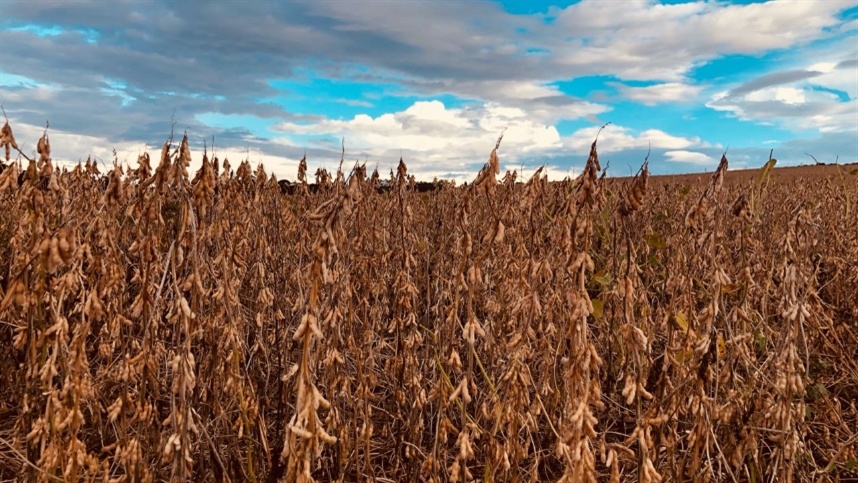
Photo: Fernando Dias/Ascom Seapi
Rust is a disease that doesn't give second chances. When it appears early, damage is practically inevitable. Therefore, the technical recommendation is to invest in preventive management from the first applications, using products with high efficiency, persistent action, and proven agronomic safety.
The disease attacks the plant's leaves, compromising photosynthesis and, consequently, grain filling. The result is loss of vigor, decreased productivity and, in severe cases, economic unviability of the crop.
In a year that promises more stable weather, the success of Brazilian soybeans will depend less on chance and more on strategy. Well-informed technical decisions, combined with modern control tools and a risk-adjusted application schedule, will be crucial to ensuring not only crop health but also the sustainability of production in the field.