 EN
EN  PT_BR
PT_BR “The sanitary break is the most efficient barrier we have against Asian soybean rust. It interrupts the fungus's cycle and gives the producer a safer start to the harvest,” says Leonardo Machado, manager of the Institute for the Strengthening of Agriculture in Goiás (IFAg). This Wednesday (September 24), the 90-day period of prohibition of live soybean plants in Goiás, which began on June 27, ends, allowing sowing in the field as of this Thursday (September 25).
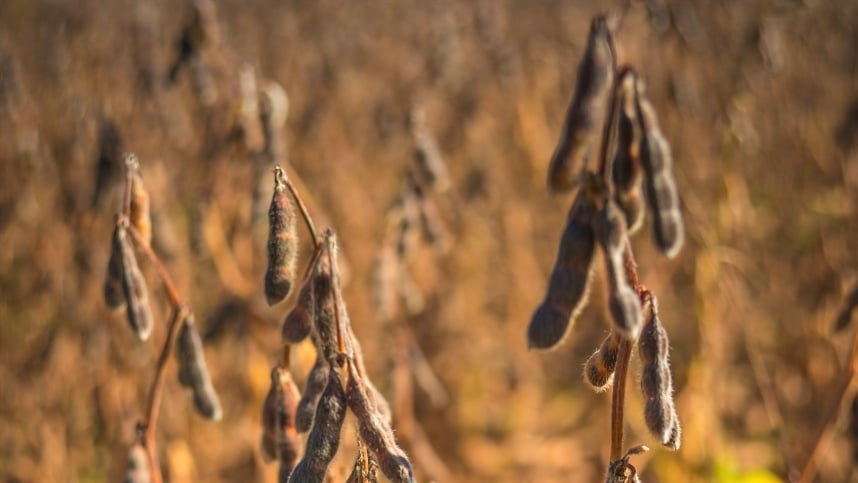
Asian soybean rust, caused by the fungus Phakopsora pachyrhizi, is considered the most severe disease of soybeans. Highly aggressive, it can drastically reduce productivity if left uncontrolled. The fungus spreads through the wind and finds an ideal environment to survive between harvests in so-called "volunteer soybeans."
According to Leonardo Machado, eliminating these plants during the off-season is crucial. “When there are no hosts in the field, the number of inocula drops, preventing earlier disease contamination. This gives the producer a larger safety window at the beginning of the cycle and reduces the need for early fungicide applications,” he explains.
In addition to respecting the calendar, the farmer must register their crop with the Goiás Agricultural Defense System (Sidago). The deadline is up to 15 days after the end of sowing, that is, until January 17, 2026.
During registration, the producer must provide information such as planted area, type of cultivation (rainfed or irrigated), cultivar used, planting and harvesting dates, as well as geographic coordinates. It is also mandatory to register the CNPJ (Brazilian tax ID) of the seed supplier or indicate whether the production was their own.
According to Machado, this control is crucial for the state's phytosanitary management. "The crop map supports more efficient monitoring and strengthens preventive actions against pests and diseases," he adds.