 EN
 PT_BR
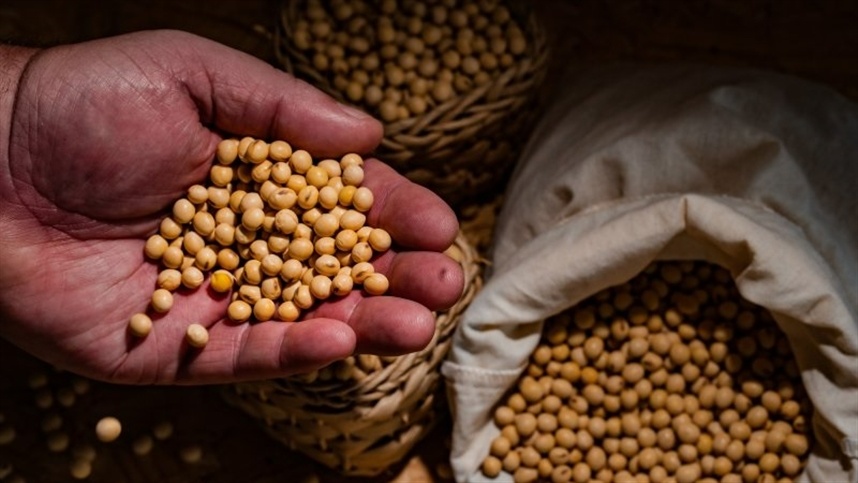
The processing of soy Production in Brazil is expected to reach 66 million tons in 2027, up from the 63.6 million tons projected for 2026. The estimate from the Brazilian Association of Vegetable Oil Industries (ABIOVE) indicates continued expansion of industrial activity, in a scenario of demand for soybean meal destined for food production and oil used in the manufacture of biofuels and for exports.
The organization's initial projections for 2027 indicate growth in the production of the main soybean derivatives. Soybean meal production is expected to reach 50.8 million tons, while soybean oil production is estimated at 13.27 million tons. For 2026, the projected volumes are 48.95 million and 12.8 million tons, respectively.
The prospect of increased processing comes after a period of growth in industrial activity. According to ABIOVE, the volume of soybeans crushed in the accumulated period from January to August 2026 reached 38.67 million tons, an increase of 8.41% compared to the same period in 2025, considering the adjustment for the sample percentage.
In August alone, industries processed 5.03 million tons. Although this result represents a reduction of 1.8% compared to July, the volume was 9% higher than that recorded in August of last year, also after sample adjustment.
For the end of 2026, the association revised its crushing estimate upwards, with an increase of 0.2% compared to the previous projection. The current forecast is 63.6 million tons, accompanied by a positive adjustment of 0.1% in the expected meal production, which should reach 48.95 million tons.
The demand for derivatives is also related to the outlook for the biofuel sector. According to Daniel Furlan Amaral, Director of Economics and Regulatory Affairs at ABIOVE, the processing rate reflects the needs of the domestic market and the participation of Brazilian products in international trade.
“The strong crushing pace reflects our industry’s agile response to the growing domestic demand for soybean meal, essential for food production, and for soybean oil, fundamental for the manufacture of biofuels and for exports. This consistent scenario of increased processing strategically prepares us to continue supplying the country in the face of expectations for an increase in the mandatory biodiesel blend to B16, scheduled for March,” he states.
In foreign trade, the revised estimates for 2026 showed different trends for soybeans and their derivatives. The forecast for soybean exports was reduced by 1%, to 113.9 million tons. Meanwhile, shipments of soybean oil saw their projection increased by 8.3%, reaching 1.95 million tons.
For soybean meal, the organization estimates exports of 25.3 million tons in 2026. The volume should increase to 26.3 million tons in 2027, following the projected growth in domestic production of the derivative.
Regarding soybeans, ABIOVE projects exports of 113 million tons in 2027, a volume slightly lower than expected for 2026. The association also forecasts the import of 900,000 tons of the product to supplement the supply of the industrial chain.
In the soybean oil market, projections for 2027 indicate shipments of 1.9 million tons and imports of approximately 100,000 tons. Domestic production, estimated at 13.27 million tons, exceeds the volume projected for 2026, reflecting the expansion of crushing.