 EN
 PT_BR

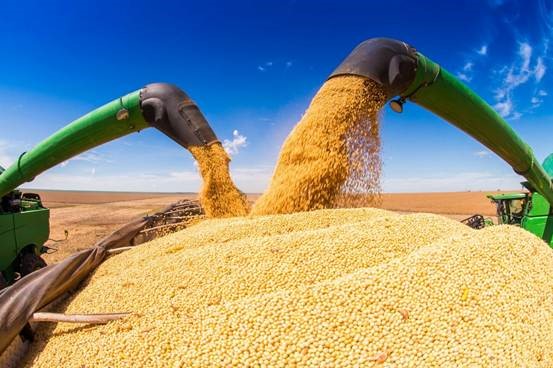
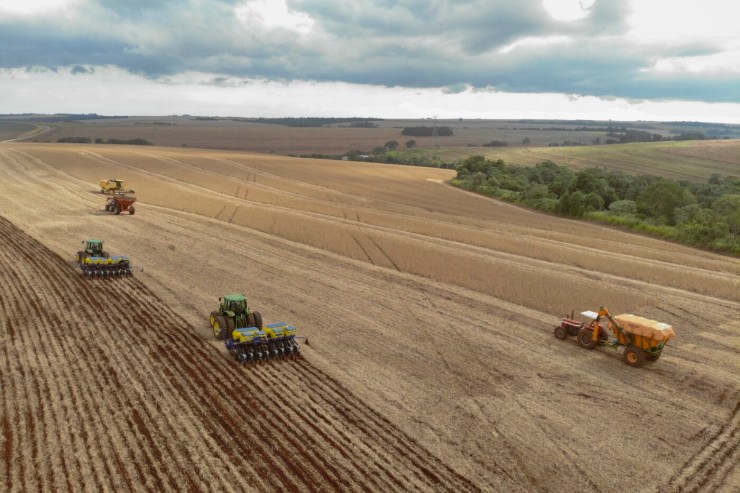
The start of planting soy The 2026/27 harvest requires attention to soil conditions and rainfall distribution, given the risk of climate fluctuations. According to Bruno Carloto, strategic marketing manager at Acadian Sea Beyond, the possibility of El Niño intensification reinforces the need for planning in the main producing regions.
The National Supply Company (Conab) estimates a soybean production of 181.64 million tons across 49.3 million hectares. Despite increased rainfall, irregular precipitation could compromise germination, emergence, and initial plant development.
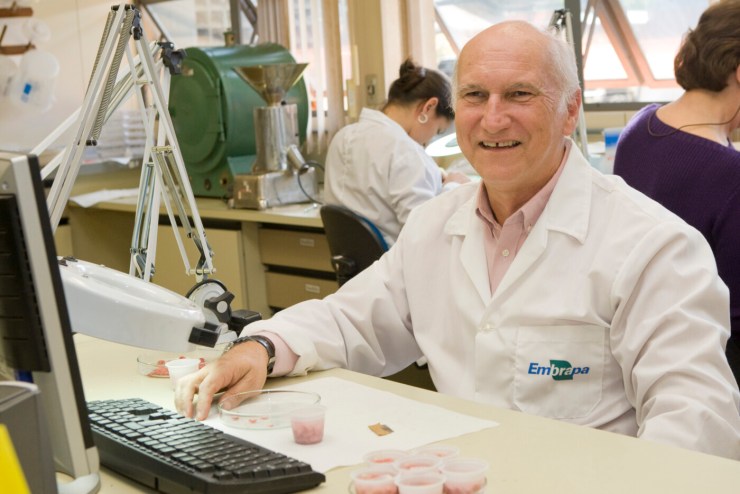
The impacts can also appear during the reproductive phase. Research by Embrapa conducted in the 2024/25 growing season identified a 4% reduction in productivity after 18 days without irrigation between stages R1 and R3, in addition to alterations in plant growth and nodulation.
Strategies to reduce risks include choosing the right planting window, balanced nutrition, and monitoring weather forecasts. Biofertilizers based on the algae Ascophyllum nodosum also appear as complementary tools, potentially promoting root development and plant response to climate stress.
According to Carloto, these products do not replace proper management. Planning before sowing and monitoring weather conditions are fundamental to preserving the productive potential of soybeans. “It is important to emphasize that biofertilizers do not replace proper crop management, but act in a complementary way within an integrated strategy. For the 2026/27 crop season, preparation should begin now, before sowing. The more structured the production system is to cope with fluctuations in rainfall and temperature, the better the conditions for preserving soybean development and its productive potential,” adds Bruno Carloto.