 EN
 PT_BR

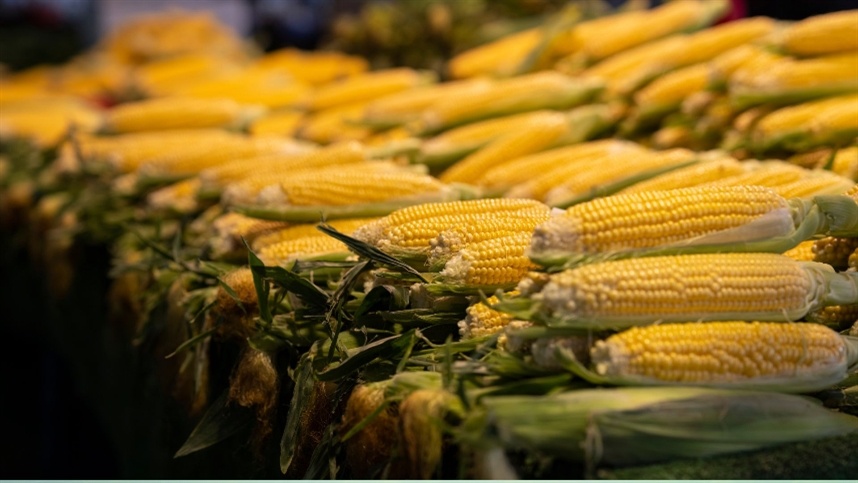
The projected revenue for the 2026/27 corn crop in Mato Grosso is still sufficient to cover the Effective Operating Cost (EOC), but falls short of the Total Operating Cost (TOC), according to the most recent data from the Mato Grosso Institute of Agricultural Economics (Imea).
The COE (Cost of Production) was estimated at R$ 5,508.23 per hectare, an increase of 14.61% compared to the previous crop. Considering the average price negotiated in September, of R$ 48.69 per sack, and projected productivity of 119.64 sacks per hectare, the gross revenue was calculated at R$ 5,824.88 per hectare.
With this, the revenue is 5.75% above the COE. The margin, however, disappears when depreciation and pro-labore are incorporated: the COT reaches R$ 6,070.09 per hectare, a value 4.04% higher than the projected revenue.
According to Imea, the increase in costs was driven by the higher prices of key inputs, financial expenses, and post-production costs.
This scenario makes profitability more sensitive to further productivity losses or average prices falling below current levels. Under these conditions, any further deterioration could widen the gap between revenue and total cost.
Soybeans are also entering the 2026/27 harvest season with higher costs in Mato Grosso.
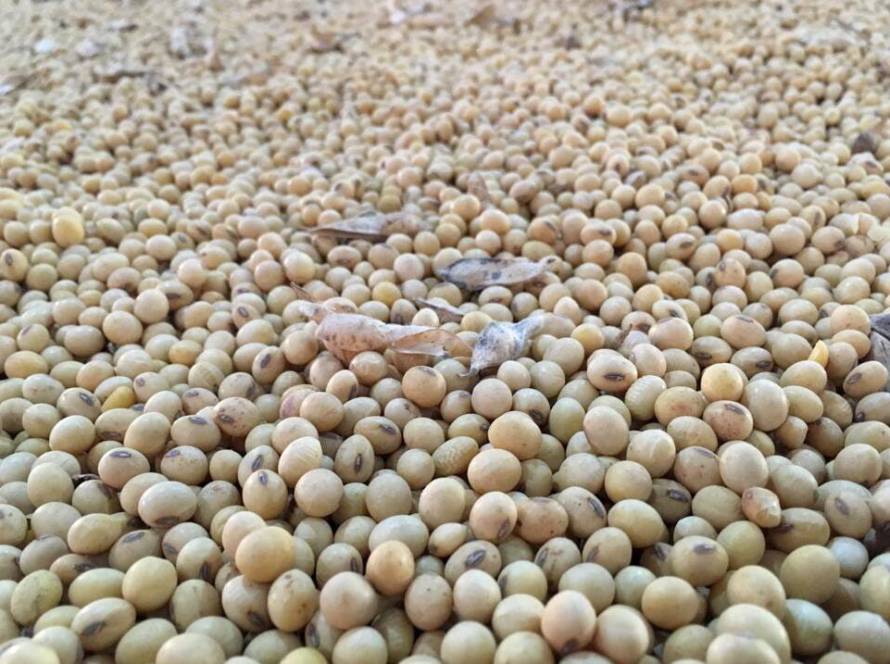
The total cost of the oilseed was consolidated at R$ 8,210.31 per hectare, an increase of 6.96% compared to the 2025/26 crop. Among the main factors driving the increase are mechanized operations, with an increase of 23.85%, and agricultural pesticides, which became 10.10% more expensive.
The cost of soybean production closed at R$ 4,324.87 per hectare, an increase of 3.43% between harvests. The pressure wasn't greater only because the price of seeds fell by 21.96%, helping to offset part of the increase in other expenses.
In addition to the higher cost, Imea draws attention to the risk to productivity in the face of El Niño. The combination of higher expenses and the possibility of lower yields tends to increase the importance of the selling price in determining the producer's profitability throughout the cycle.
The Mato Grosso data highlights an important difference between operating margin and total profitability. In the case of corn, projected revenue still covers the actual operating costs, but it does not reach the total operating cost when other components of the activity are included.