 EN
 PT_BR

The market of corn In the coming days, it should monitor the progress of the harvest in the United States, the competitiveness of Brazilian and Argentinian exports, and the conditions for planting the second crop in Brazil. According to data released by Grão Direto, in the Direto do Campo analysis, produced by Grainsights this Monday (19), price behavior will also depend on international demand, domestic consumption and exchange rate fluctuations.
The American harvest tends to increase the available supply and may put pressure on prices, especially if exports weaken. In Brazil, on the other hand, possible delays in the planting schedule may increase the perception of climate risk for the second crop, while demand from the poultry and swine industries may offer localized support to prices.
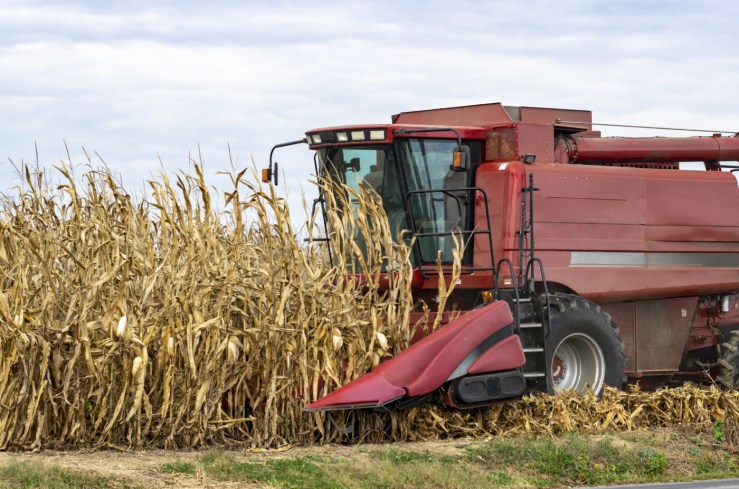
The progress of the corn harvest in the United States will be one of the main factors of seasonal pressure. The pace of work will depend on weather conditions in the American Midwest: dry periods and favorable temperatures allow for greater use of combine harvesters, accelerating the entry of grains into the market and increasing the need for transportation and storage.
This increased availability could put pressure on local prices in the United States and, indirectly, on futures prices. The effect tends to be more intense if the progress of the harvest coincides with less dynamic export demand.
In Brazil, attention is also focused on the soybean planting calendar and its potential impact on the second corn crop. If delays in soybean planting persist, some crops may be sown outside the ideal window, shifting the harvest and reducing the period available for planting the second corn crop.
This chain reaction can increase the exposure of second-crop corn to water deficit at the end of the cycle and, in certain regions, to the risk of frost. According to data released by Grão Direto, this scenario could raise the climate risk premium in B3 corn futures contracts, especially in more distant maturities.
Potential production losses, however, are not inevitable. The extent of the risks will depend on the evolution of rainfall in the coming weeks, the speed of planting, and the development conditions of the soybeans.
In the international market, American exports will play a decisive role in price formation given the substantial supply of corn. The weekly export reports from the United States Department of Agriculture (USDA) should indicate whether buyers, especially from Mexico and Asian countries, are taking advantage of the availability and competitive prices of American corn.
Consistent net sales, coupled with increasing shipments, may reduce the perception of oversupply and limit further declines in prices on the Chicago Board of Trade (CBOT). The competition for international buyers also involves Brazil and Argentina. Differences in prices, maritime freight, ship availability, and export premiums influence the choice of product origin.
For Brazil, the need to maintain competitiveness may require adjustments to port premiums, impacting export parity and the potential for corn price increases in the domestic market.
Argentina's commercial strategy will be another factor to watch. The pace of sales, the availability of exportable stocks, and the scheduling of shipments should determine the intensity of the competition in the coming weeks.
If Argentina maintains FOB offers at more competitive prices, it could attract buyers and reduce the market share for Brazilian corn in negotiations. This movement tends to put pressure on export premiums at national ports and limit export parity, especially in regions more dependent on the external market.
In the domestic market, demand from the poultry and swine industries may provide localized support to prices. Corn represents a significant portion of animal feed costs, so lower prices could improve integrators' margins and stimulate purchases to replenish stocks.
This possibility, however, depends on other factors. Companies also assess the demand for meat, the slaughter rate, inventories of processed products, the cost of other ingredients, and the availability of working capital.
If demand for protein remains strong and industrial margins are favorable, buyers may take advantage of lower prices to expand their raw material sourcing, supporting the physical market in certain regions.
The exchange rate will also continue to be an important variable in the formation of soybean and corn prices in Brazil. According to data released by Grão Direto, after the appreciation of the real at the beginning of the month, the dollar regained strength amid electoral and fiscal uncertainties, a movement that may cushion some of the losses recorded in Chicago.
In the United States, persistent inflation maintains uncertainty about the trajectory of interest rates. In Brazil, inflationary expectations and monetary policy remain on investors' radar. This environment may increase exchange rate volatility and influence export parity and producers' margins. Given this scenario, simply monitoring CBOT prices may not be enough to determine the best time to sell. The combination of international prices, the dollar, and production costs will be crucial to assessing marketing opportunities.