 EN
EN  PT_BR
PT_BR 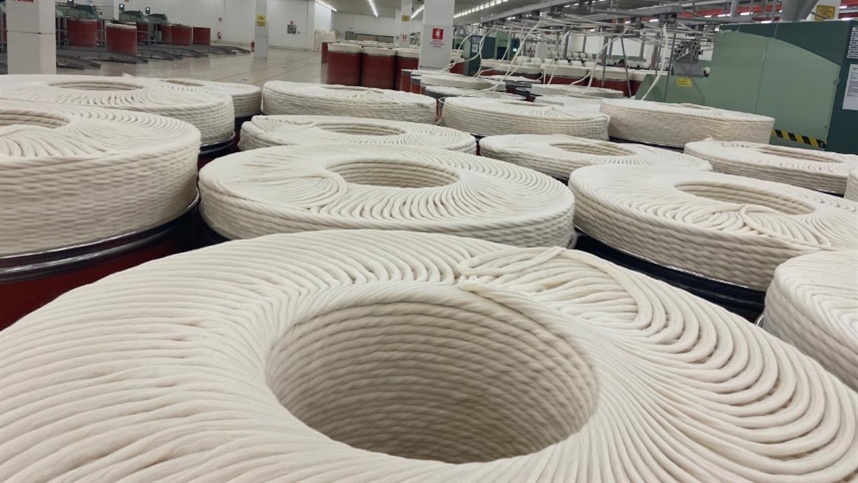
A meeting chaired by the president of Abrapa, Gustavo Piccoli, brought together representatives from the supply chain to discuss production, the market, the textile industry, and the valorization of natural fibers.
The scenario of the Brazilian harvest, the challenges to expand domestic consumption and exports, and the valorization of natural fibers were at the center of the debates of the Ordinary Meeting of the Sectoral Chamber of the Cotton and Derivatives Production Chain, held this Tuesday (15), in hybrid format. Chaired by Gustavo Piccoli, president of the Brazilian Cotton Producers Association (Abrapa), the Chamber brought together representatives from the different links of the production chain to analyze the current moment of cotton farming and discuss strategies to expand the competitiveness of Brazilian cotton in the domestic and international markets.
The agenda included presentations from Abrapa, the Brazilian Association of Vegetable Oil Industries (Abiove), the Brazilian Textile and Apparel Industry Association (Abit), and the National Association of Cotton Exporters (Anea).
Brazilian harvest
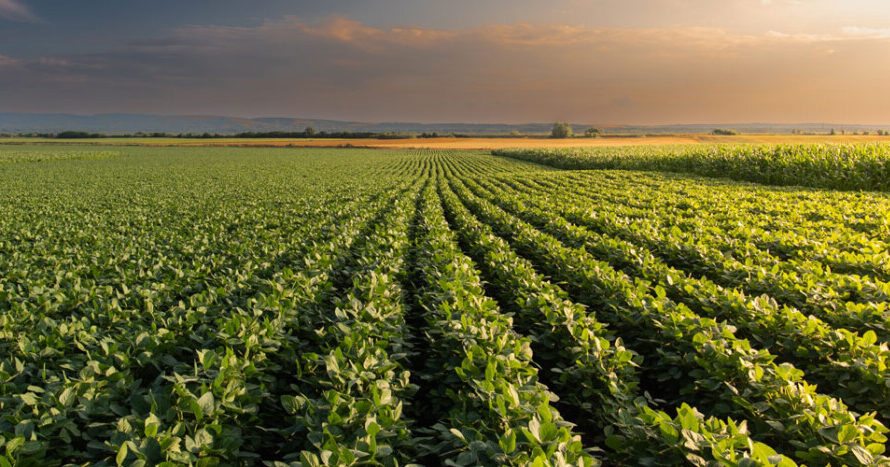
During the meeting, Abrapa presented an update on the 2025/26 harvest. The estimate is approximately 4.144 million tons of cotton lint, in a planted area of 1.996 million hectares. According to Abrapa's executive director, Marcio Portocarrero, the numbers may still be adjusted until the official closing of the season.
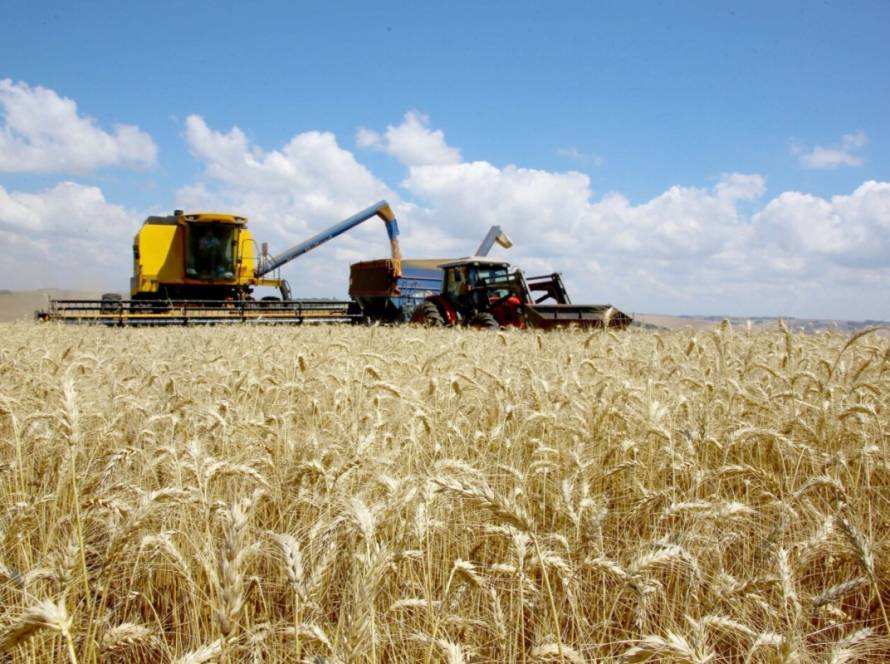
Representatives from state associations also presented the progress of the harvest in the different producing regions. In general, good yields and satisfactory production conditions were reported, despite some impacts related to rainfall patterns and the occurrence of pests. Data from the central laboratory presented during the meeting also indicated improvements in the various quality factors of Brazilian cotton.
For Piccoli, this moment reinforces the need to look at the entire chain in light of the growth of Brazilian production. “Brazil has expanded its production, gained space in the international market, and today occupies a strategic position in the global supply of cotton. Our challenge is to continue conquering markets, but also to create conditions to expand the consumption and processing of this raw material within Brazil,” says the president of Abrapa.
Valuing natural fibers
Notably, Abrapa presented a proposal to draft a bill focused on promoting the value of natural fibers and tackling microplastic pollution. The initiative envisions a levy on the import of finished textile products made with synthetic fibers. The proposal aims to encourage the use of natural fibers, such as cotton, and allocate the collected funds to initiatives focused on innovation, sustainability, mitigating microplastic pollution, environmental traceability, and industrial modernization.
Abrapa's executive director, Marcio Portocarrero, highlighted that the organization will work to strengthen the articulation of the proposal in the next legislature and broaden the dialogue with the different links in the chain. "The intention is to improve the initiative and build support for an agenda that reconciles the competitiveness of Brazilian industry, innovation, and the valorization of natural fibers," stated Portocarrero.
Industry and market: more space for Brazilian cotton.
The situation of the national textile industry was also at the center of discussions. The president of Abit, Fernando Valente Pimentel, presented an overview of the sector marked by a contraction in production and an increase in imports. Between January and August 2026, Brazilian clothing imports grew by 50.31% compared to the same period in 2025. In the accumulated 12 months, textile production showed a contraction of 1.91%, while clothing production fell by 4.21%.
Pimentel explained that among the challenges is expanding domestic cotton consumption to approximately 1 million tons, stimulating investments capable of processing a larger portion of the raw material within the country.
In the international market, Anea presented a forecast of a new record for Brazilian exports in the next season. The organization estimates national production at approximately 4.178 million tons, a number close to the projection presented by Abrapa.
Despite the positive outlook, the scenario demands attention. According to the president of Anea, Dawid Wajs, Brazil remains competitive in the international market, but faces challenges in transporting a large harvest, in a context of more cautious buyers and greater competition for markets. The diversification of ports used for shipments, with particular emphasis on the growth of Salvador as an alternative to Santos, was also highlighted as strategic.
At the end of the meeting, participants reinforced the importance of integrated action across the production chain, with investments in research, innovation, sustainability, new uses, and adding value to Brazilian cotton.
The next ordinary meeting of the Sectoral Chamber of the Cotton and Derivatives Production Chain is scheduled for December 9, 2026.