EN
EN  PT_BR
PT_BR 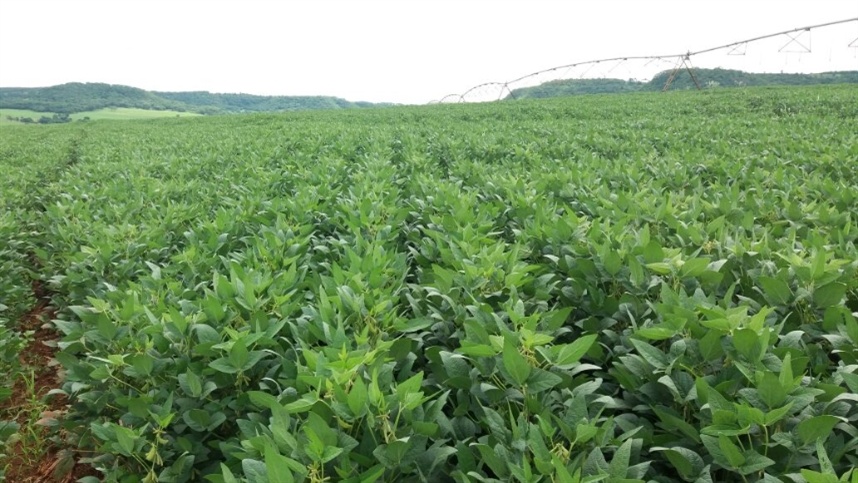
A national research network evaluated the performance of an input in the management of foliar diseases of soy under different climate, soil, and management conditions. The tests were conducted during the 2025/2026 growing season in 21 farms distributed across eight Brazilian states.
The study was commissioned by Satis and conducted by more than 20 institutions, including Embrapa Soja. The research analyzed Fulland, a copper-based systemic chemical fertilizer and complex, in areas of Tocantins, Goiás, Mato Grosso, Mato Grosso do Sul, Minas Gerais, São Paulo, Paraná, and Rio Grande do Sul.
After internal analysis of the results, the use of the product combined with fungicide management showed an average increase of 1.82 sacks per hectare in productivity. In the Midwest, the average gain reached 3.11 sacks per hectare.
In the protocol where the input was associated with a complete chemical fungicide program, there was a reduction of 58% in late-cycle disease, 46% in target spot, and 47% in rust. The average productivity was 4,478.6 kilograms per hectare.
In the protocol where the products were used independently, supplemented by a fifth application of chemical fungicide, the reductions were 25% for late-cycle disease, 32% for target spot, and 24% for rust. The average productivity reached 4,070 kilograms per hectare.
“The trial allowed us to monitor the behavior of Fulland in different regions of the country. When we evaluate areas with such distinct characteristics, we can better understand the factors that interfere with crop development, making the results more consistent and representative,” says César Pirajá, agronomist and technical support manager at Satis.