 EN
EN  PT_BR
PT_BR Farmers, farm workers, technicians, agricultural engineers, veterinarians, and farm managers play a crucial role in combating the presence of wild boars in Mato Grosso do Sul. These individuals, who witness the realities of the farms daily, can provide the Suiformes Monitoring Panel with information that can guide control and prevention strategies throughout the state.
The tool gathers georeferenced records of wild boar, feral pig, peccary, and collared peccary occurrences. Based on this information, it will be possible to track the distribution of these animals, identify regions with higher concentrations of sightings, observe dispersal trends, and support decisions aimed at protecting agricultural production.
Developed by Aprosoja/MS, with resources from Fundems and in partnership with Semadesc, the panel uses geotechnology to transform information recorded in the field into territorial intelligence. The quality and scope of the data, however, depend directly on the participation of those who experience the events on rural properties.
Each sighting or piece of evidence of damage can contribute to making the map more complete. Users will be able to register incidents with location, photographs, videos, and information about observed damage to crops, fences, water catchment structures, protected areas, and livestock.
The greater the participation, the more accurate the assessment of the presence of swine in Mato Grosso do Sul. An updated database can help producers, industry entities, researchers, and public agencies identify priority areas, plan preventive actions, and strengthen the responsible management of these animals.
According to the technical coordinator of Aprosoja/MS, Gabriel Balta, the dashboard represents an advance in the organization of strategic data for the productive sector.
"The tool transforms information collected directly in the field into a territorial intelligence database. The collaboration of producers and professionals who monitor the daily operations of the properties is essential to identify critical areas, track the evolution of incidents, and support more efficient monitoring, control, and prevention actions."
Aprosoja/MS Geoprocessing Analyst, Staël Caroline, emphasizes that the records will undergo technical validation before being integrated into the database. “Each piece of recorded information can provide important evidence to improve the quality of monitoring. The data will be audited by the technical team, with analysis of geographic consistency, the authenticity of the evidence, and the correct identification of species.”
Protection of production and animal health.
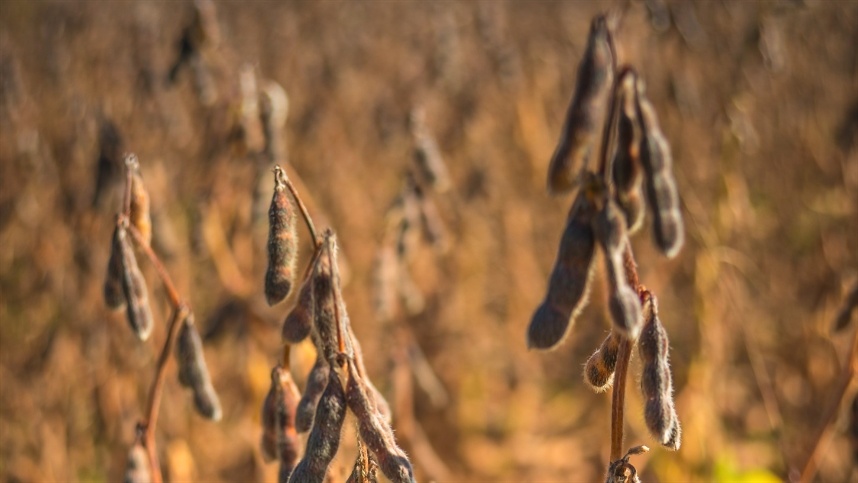
Considered an invasive species, the wild boar poses economic, environmental, and health risks. On rural properties, herds of these animals can cause damage to crops such as soybeans and corn, through the consumption of seeds and seedlings, trampling, and soil disturbance.
The animals can also damage fences, water catchment structures, and protected areas. Furthermore, the presence of wild boars requires sanitary attention, as these animals can act as reservoirs of diseases with potential impact on livestock production.
In the environment, wallowing alters the soil structure, promotes erosion processes, and can contribute to the silting up of springs and water sources. These animals also compete for food and space with native species, such as peccaries and collared peccaries.
How to contribute
When wild boars, feral pigs, or damage caused by swine, producers and rural collaborators can register the occurrence on the dashboard. Information accompanied by photos, videos, and location helps to improve the database and strengthens the sector's response capacity.
Did you witness an incident on your property or in your area? Report it and contribute to more comprehensive monitoring in Mato Grosso do Sul.