 EN
EN  PT_BR
PT_BR The start of the 2025/2026 soybean planting season reinforces the importance of strategic planning to ensure productivity and sustainability in agricultural operations. Preliminary data from Datagro indicate that Brazil will expand its cultivated area for the 19th consecutive year, reaching 49.1 million hectares, an increase of 21% over the 48.1 million hectares of the previous season. This scenario suggests positive prospects for national production.

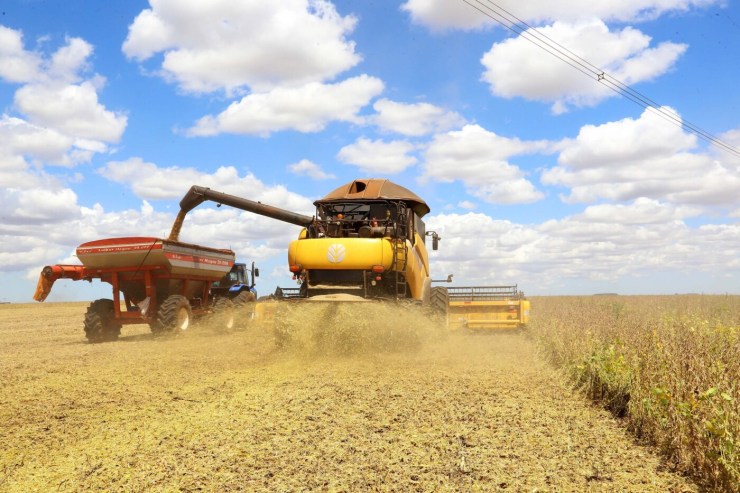
Photo: Felipe Ro
Combined with planning, digital agriculture emerges as an essential tool for more precise decisions, integrating all stages of production and providing a competitive advantage. Among the benefits, the optimization of up to 40% in soil sampling and analysis and a potential increase of up to 3% in soybean productivity stand out.
Discover how strategic planning combined with digitalization can transform every stage of the harvest:
1 – Choosing the seeds
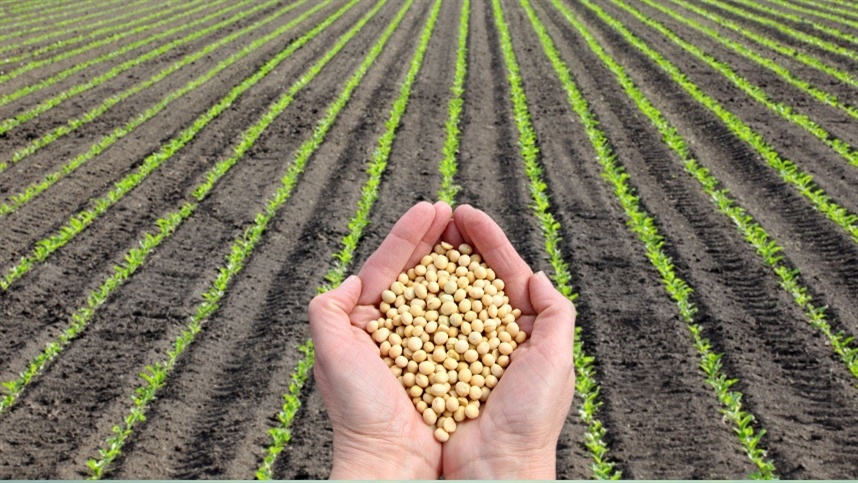
Selecting the right variety is crucial. Technologies incorporated into seeds help to cope with climatic stresses, pests and diseases, while choosing the ideal cultivar should consider regional particularities, maximizing crop development and yield potential.
2 – Climate monitoring
Analyzing weather forecasts allows for more assertive decisions, such as bringing forward or postponing planting, or even changing the variety for a given plot. The combined use of technology and climate data improves risk management, even in the face of complex and unpredictable factors.
3 – Planting
The adoption of variable seeding rates by management zones allows for productivity gains between 2% and 3%, adjusting the planting density according to the plot. The producer's knowledge combined with technology ensures efficient use of resources and maximizes the performance of each area.
4 – Crop monitoring
During the soybean cycle, digital tools allow for the identification of areas requiring attention through satellite biomass maps. The use of historical yield potential data reduces soil sampling by up to 40% and, combined with variable-rate nutrient application, increases crop yields.
5 – Phytosanitary management
Digital weed mapping using drones (UAVs) identifies infestation patches, allowing for localized herbicide application. Depending on the equipment available, the use of nozzle-by-nozzle or section-by-section technology reduces waste, saves time, and makes the operation more sustainable.
According to agricultural engineer Guilherme Dressano, a specialist in Crop Protection, digitalization is transforming the way we plan and execute the harvest. "By integrating data, technology, and management, we can offer producers a complete journey, optimizing time and resources and increasing productivity," he emphasizes.