 EN
EN  PT_BR
PT_BR 
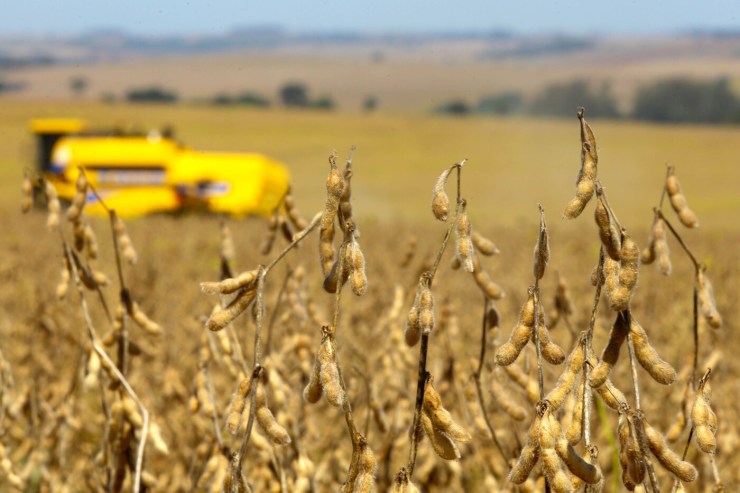
The prices of soy Prices gained traction in the Brazilian market at the start of this month, amid lower grain availability for trading and increased caution among sellers. This movement coincides with the start of the 2026/27 crop planting season, a period when weather becomes the primary focus of market participants.
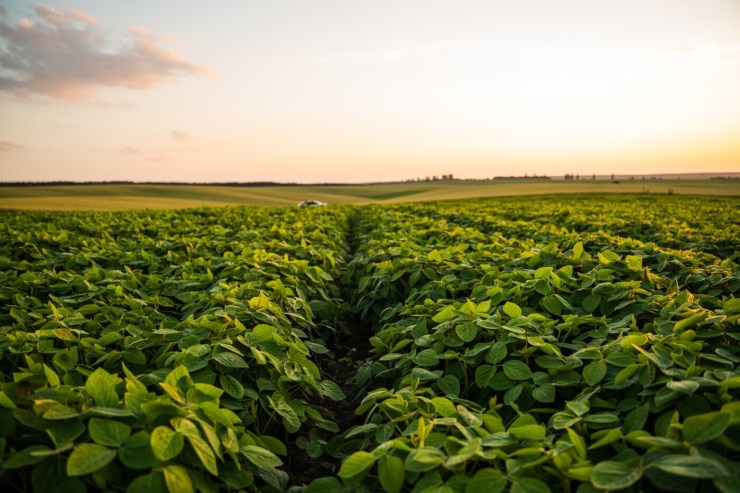
According to data released by the Center for Advanced Studies in Applied Economics (Cepea), producers are less willing to negotiate large volumes in the spot market. This retraction has reduced liquidity and contributed to higher prices in the first ten days of this month. The change in sellers' behavior is occurring in parallel with the advancement of agricultural activities. Recent rains have favored the start of soybean cultivation in Brazil and created conditions for producers to accelerate fieldwork as soon as rainfall decreases.
According to Cepea, the intention is to take advantage of the available soil moisture and advance operations in advance. The strategy seeks to reduce the exposure of crops to the possible effects of El Niño throughout the 2026/27 growing season.
As a result, the weather has begun to influence not only the pace of planting, but also commercial decisions. While producers monitor weather conditions and direct their efforts toward planting, the supply of soybeans available for large-scale transactions remains more limited.
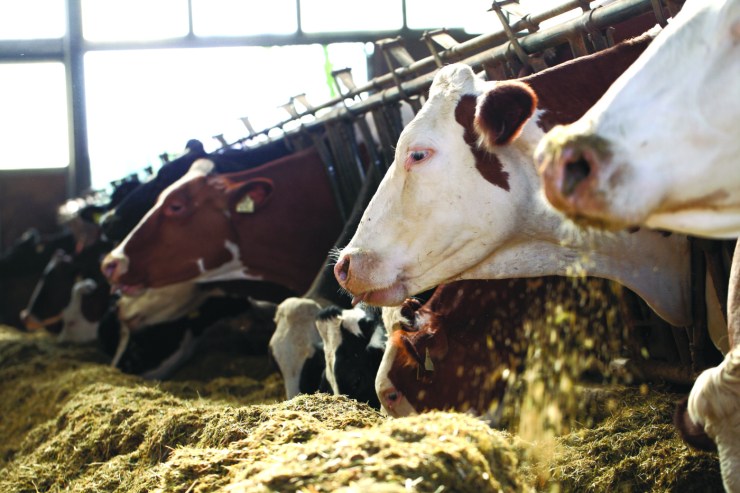
The price increase also extends to soybean meal. According to Cepea, prices for this derivative continue to rise due to increased competition between buyers in the domestic and international markets.
In Brazil, consumers need to replenish their stocks, which keeps demand active. At the same time, international demand remains strong, increasing competition for available product.