 EN
EN  PT_BR
PT_BR 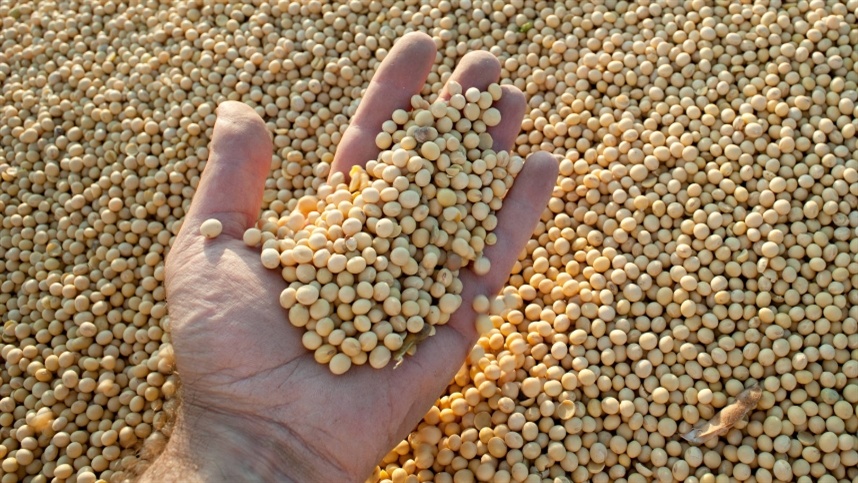
THE soy Brazilian soybean production is expanding its presence in different production chains and gaining relevance in the energy transition, while the sector advances in initiatives related to sustainability, traceability, and efficiency. In addition to its uses in human and animal food and in industry, the oilseed has increased its participation in biofuel production.
According to the Brazilian Association of Biofuel Producers (AproBio), national biodiesel production is expected to grow by 6.31 Tbp in 2026, reaching 10.5 billion liters with the adoption of the B15 blend. This movement reinforces the diversification of soybean applications and its contribution to an energy matrix with a greater presence of renewable sources.
In this context, CJ Selecta directs investments towards innovation, traceability, socio-environmental compliance, and improvement of production processes. The company also maintains a plant dedicated to the production of soy ethanol, expanding the use of raw materials and its insertion in the biofuel segment.
This progress reflects the sector's increased attention to environmental, social, and governance principles. The integration of productivity, responsibility, and efficient resource use is likely to gain importance in response to the demands of national and international markets.
“The future of agribusiness is directly related to the ability to produce more, efficiently and responsibly. Investing in traceability, innovation, and ESG initiatives is no longer just a differentiator; it has become part of building more resilient supply chains aligned with global demands,” concludes the company's CEO, Alessandro Reis.