 EN
EN  PT_BR
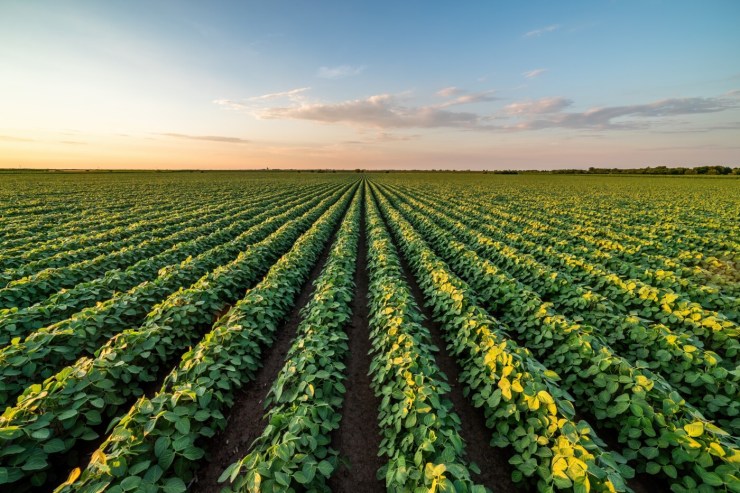
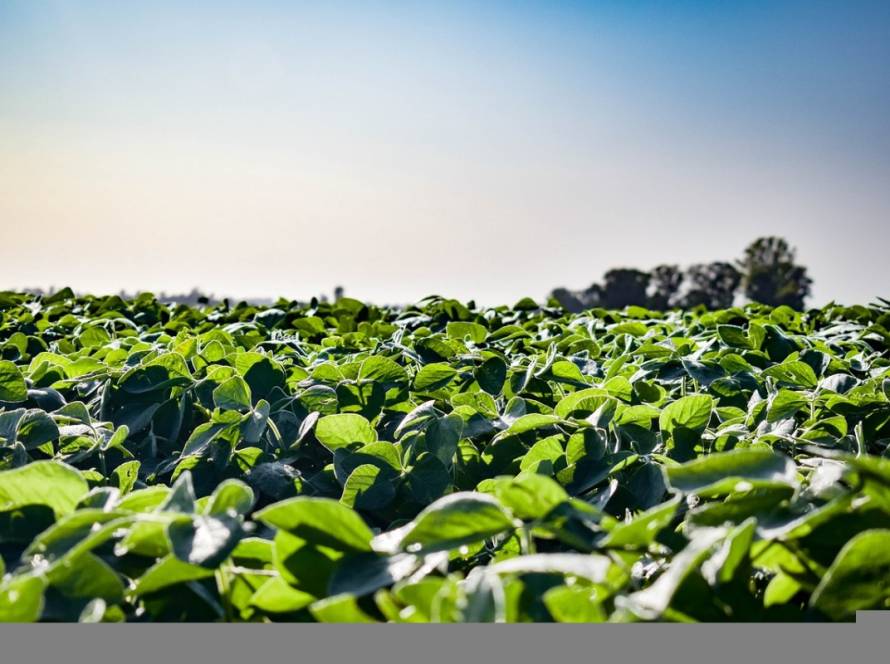
PT_BR The soybean planting ban periods in Paraná have been defined according to Ordinance No. 1,579/2026 of the Ministry of Agriculture and Livestock, which establishes the national calendar for the 2026/2027 crop season. During the planting ban, the total absence of live soybean plants in the fields is mandatory, including volunteer plants. The main objective of this measure is to interrupt the life cycle of the fungus that causes Asian soybean rust, considered one of the most severe diseases of the crop, capable of causing significant production losses.
The state of Paraná has three distinct fallow periods, according to agricultural regionalization, divided into three macro-regions. Region 1 encompasses the municipalities of the South, East, Campos Gerais, and Coastal regions of Paraná, with a scheduled fallow period between June 21 and September 19, 2026, with sowing authorized between September 20, 2026, and January 20, 2027.

Photo: Gilson Abreu
Region 2 encompasses municipalities located in the North, Northwest, Central-West, and West, with a fallow period from June 2nd to August 31st, while planting can be carried out from September 1st to December 31st. In Region 3, represented by the Southwest of Paraná, the fallow period is between June 12th and September 10th of this year, and the permitted sowing period is from September 11th, 2026 to January 10th, 2027.
The head of the Plant Health Department at the Paraná Agricultural Defense Agency (Adapar) emphasizes that meeting deadlines is essential to guarantee the health of crops and prevent the spread of the disease among producing regions. “The practice of the soybean sanitary break benefits the farmer, who will have greater control over the disease, using fewer fungicide applications,” he states. “In addition, the practice contributes to maintaining the effectiveness of these products for rust control,” says the agronomist.

Photo: Geraldo Bubniak
Inspections are carried out throughout the state, and failure to comply with regulations may result in various sanctions for producers. Furthermore, adherence to the planting calendar contributes to better crop planning, favoring phytosanitary management and productive efficiency. The collaboration of producers is essential for the success of agricultural defense strategies.
For more information, producers can contact local agency offices or use the institution's official channels.