 EN
EN  PT_BR
PT_BR Brazil and Norway will be on opposite sides on the field at the World Cup, but off the field, the European country maintains a complementary commercial relationship with Mato Grosso. In 2025, the state exported soybeans to Norway and imported fertilizers, an essential input for agricultural production.
Data from the Secretariat of Foreign Trade (Secex), compiled by the Mato Grosso Institute of Agricultural Economics (Imea), shows that trade between Mato Grosso and Norway totaled US$49.25 million last year. Of this total, US$45.26 million corresponded to exports from Mato Grosso and US$3.99 million to imports, resulting in a positive balance of US$41.27 million for the state.
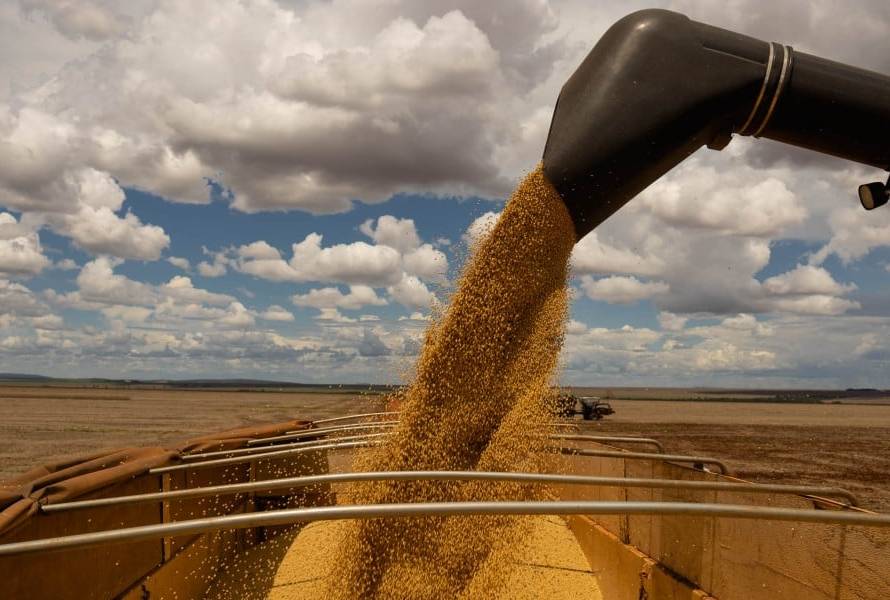
Soybeans were the main product sold by Mato Grosso to the European country. In 2025, 105,800 tons of the grain were shipped, generating revenue of US$44.6 million. Beef also appeared on the export list, albeit in smaller volumes, with 42 tons traded and revenue of US$670,000.
On the other end of the trade relationship, fertilizers led the state's imports. Mato Grosso acquired 10,400 tons of the Norwegian input, in transactions totaling approximately US$$ 4 million. This movement reveals a direct connection between foreign trade and agricultural production; while the state supplies the international market with soybeans, it also seeks some of the necessary inputs to maintain crop productivity outside the country.
According to Cleiton Gauer, superintendent of Imea, the relationship between Mato Grosso and Norway shows that agribusiness is increasingly integrated into global chains that involve both the sale of food and the purchase of strategic inputs.
“International agricultural trade is not limited to the export of commodities. It also involves the acquisition of essential products to ensure competitiveness within the farm gate. In the case of Norway, Mato Grosso sells soybeans and imports fertilizers, forming a complementary relationship within the same production chain,” he assesses.
According to Cleiton, this type of trade flow reinforces the importance of diversifying partners and maintaining stability in international relations.
“Each market plays a different role for Mato Grosso's agribusiness. Some countries buy our production, others supply inputs, technology, or solutions that help sustain productive efficiency. This integration strengthens Mato Grosso as one of the main players in global agribusiness,” he states.
Beyond direct trade, Norway also represents a market associated with increasing demands for sustainability, traceability, and transparency in the origin of agricultural products. For Mato Grosso, Brazil's largest grain producer and one of the country's main beef exporters, meeting these standards is a way to expand its presence in more demanding markets with higher added value.
According to Imea's assessment, the state's international competitiveness tends to depend increasingly on the combination of scale, productive efficiency, and good practices in the field. Technological advancements, production traceability, and investments in more sustainable models can strengthen Mato Grosso's image among trading partners who consider not only the volume produced but also how that production reaches the market.
“Today, it’s not enough to produce more. It’s necessary to demonstrate how to produce. Sustainability has ceased to be just an environmental agenda and has also become a factor of competitiveness. Demanding markets value attributes such as traceability, efficiency, and productive responsibility, and Mato Grosso is in a position to advance in this area,” emphasizes the superintendent.